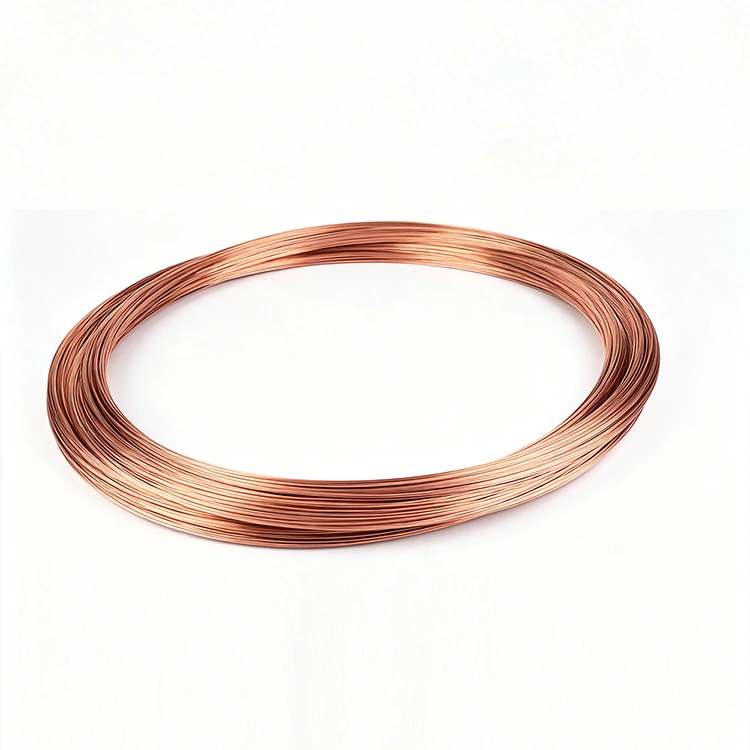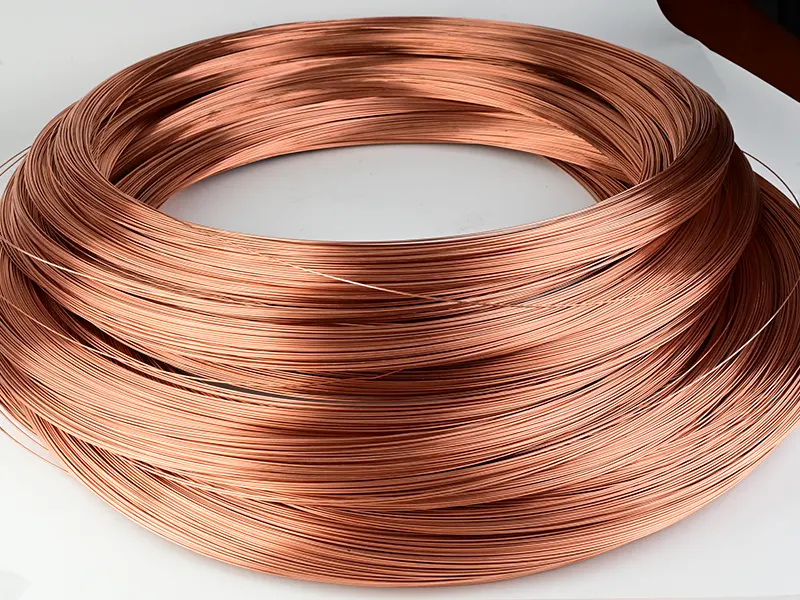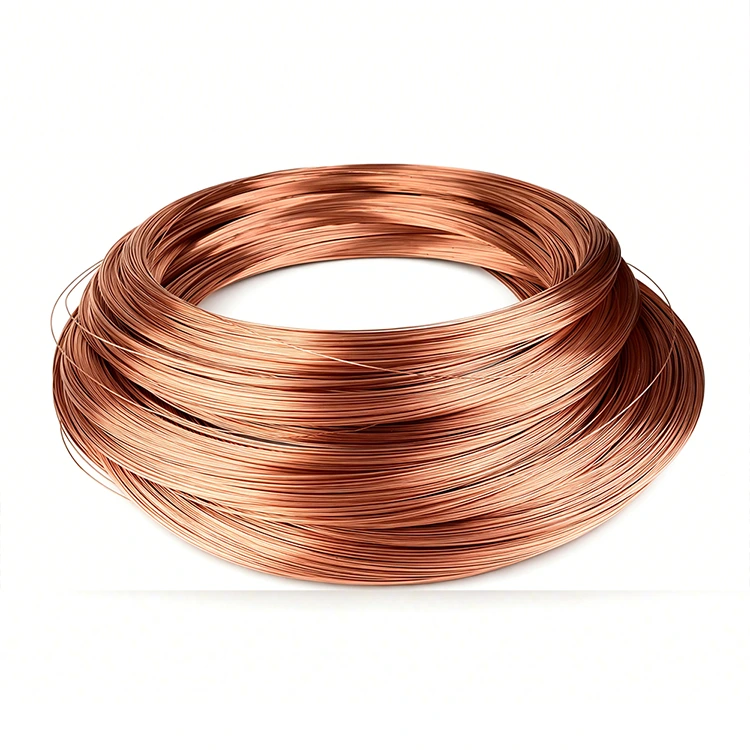

What Makes Red Copper Capillary Tube a Reliable Choice for Precision Applications?
Red copper capillary tube is a small-diameter copper tube designed for applications where controlled fluid or refrigerant flow, compact dimensions, heat transfer, corrosion resistance, and reliable processing are important. Its performance depends not only on the copper material itself, but also on tube diameter, wall thickness, dimensional tolerance, cleanliness, surface condition, and manufacturing consistency. This guide explains how red copper capillary tubes work, where they are used, what buyers should check before ordering, and how to avoid common problems such as blockage, leakage, deformation, and inconsistent flow. It also introduces practical quality considerations for OEM, industrial, refrigeration, HVAC, and precision component applications.
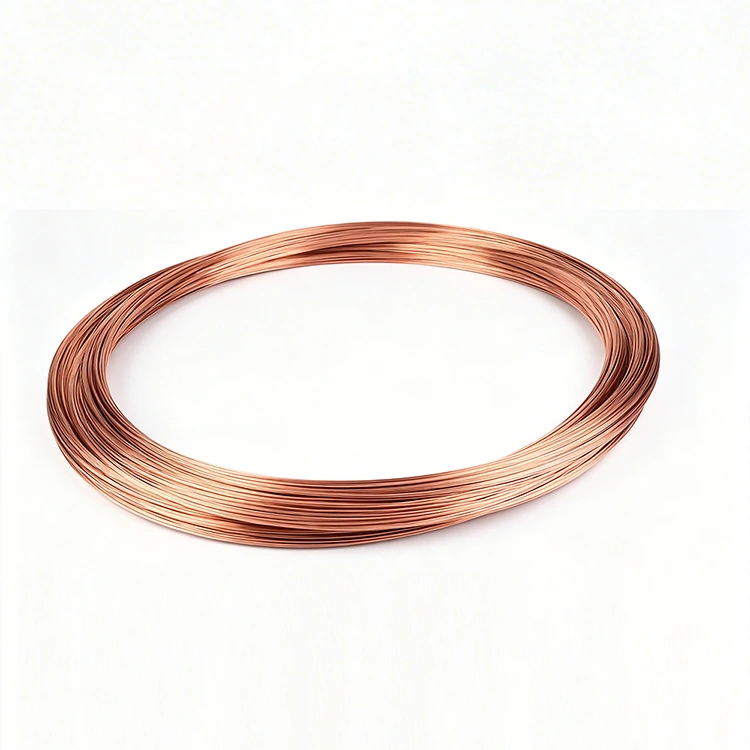
Table of Contents
1. What Is a Red Copper Capillary Tube? 2. Key Material and Performance Properties 3. Common Applications 4. Important Selection Factors 5. Manufacturing and Quality Considerations 6. Common Problems and Practical Solutions 7. Red Copper Capillary Tube vs. Standard Copper Tube 8. Purchasing Checklist 9. Why Manufacturing Consistency Matters 10. Frequently Asked Questions 11. Final Takeaway
1. What Is a Red Copper Capillary Tube?
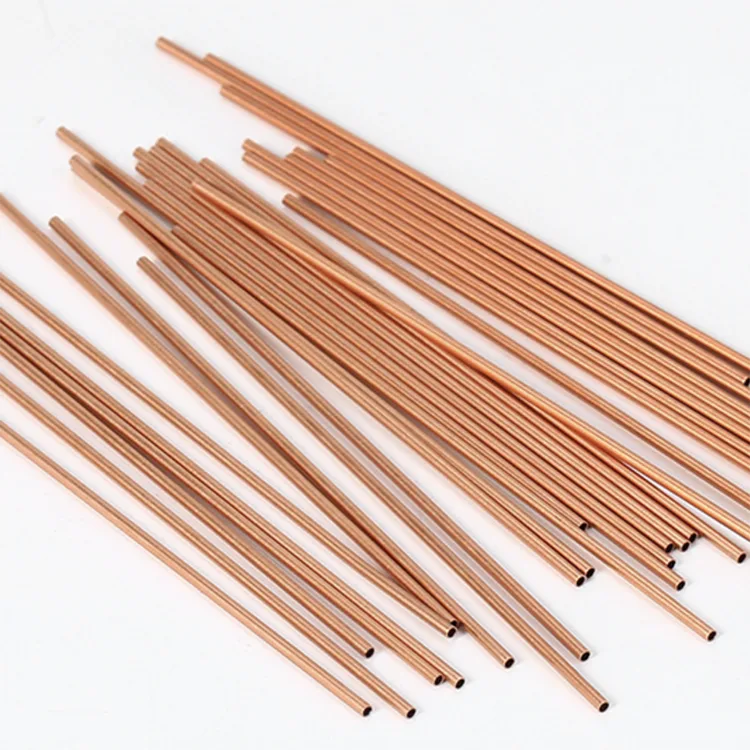
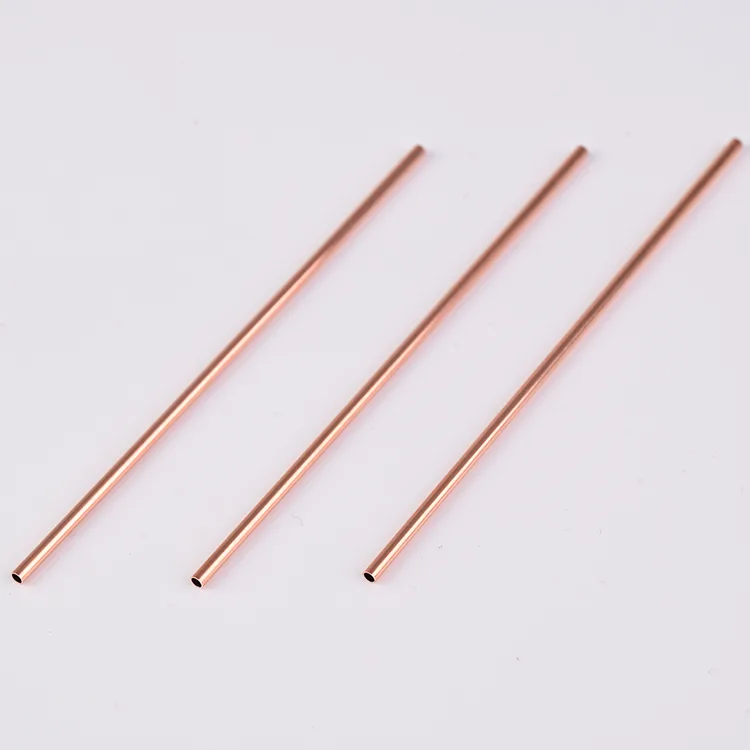
A red copper capillary tube is a narrow, small-bore tube manufactured from copper, commonly used when a compact passage is required for controlled movement of a liquid or gas. The term “red copper” generally refers to copper with its characteristic reddish metallic appearance and high copper content.
Unlike larger copper pipes designed primarily to transport substantial fluid volumes, a capillary tube has a much smaller internal diameter. That small passage can create significant resistance to flow, making the tube useful in systems where flow needs to be restricted, metered, or controlled.
In refrigeration equipment, for example, the capillary tube can act as a fixed flow-restriction component between the high-pressure and low-pressure sides of a system. In other applications, it may serve as a compact heat-transfer passage, sensing line, connecting tube, or precision fluid channel.
Key point: A capillary tube is not simply a smaller version of an ordinary copper pipe. Its performance is strongly influenced by internal diameter, length, wall thickness, material condition, cleanliness, and dimensional consistency.
2. Key Material and Performance Properties
Copper is widely used for precision tubing because it combines several useful characteristics in one material. For buyers and engineers, understanding these characteristics helps determine whether a red copper capillary tube is suitable for a specific operating environment.
| Property | Practical Benefit | Why It Matters |
|---|---|---|
| Thermal conductivity | Efficient heat transfer | Useful in thermal management and refrigeration systems |
| Corrosion resistance | Longer service potential | Helps in many indoor and controlled industrial environments |
| Ductility | Supports bending and forming | Important when tubing must follow a compact installation route |
| Electrical conductivity | Useful for specialized electrical applications | Can be relevant when copper tubing is incorporated into conductive assemblies |
| Processability | Supports cutting, bending, joining, and forming | Simplifies integration into different assemblies |
However, material advantages alone do not guarantee good performance. A tube with poor dimensional control or inadequate internal cleanliness may create problems even when the base copper is appropriate.
3. Common Applications
The small internal passage of a red copper capillary tube makes it especially useful for systems that require controlled flow or compact tubing. Typical applications include:
Refrigeration
Used as a flow-restriction component in selected refrigeration systems.
HVAC Equipment
Can be incorporated into compact thermal and fluid-control assemblies.
Heat Transfer
Copper's thermal conductivity makes it suitable for heat-exchange-related designs.
Instrumentation
Small-bore tubing can be used for pressure, sensing, and controlled fluid connections.
The correct tube specification depends on the system rather than simply the application name. Two refrigeration systems, for instance, may require different capillary tube dimensions because of differences in refrigerant, operating pressure, temperature, compressor capacity, and system architecture.
4. Important Selection Factors
Choosing the correct red copper capillary tube requires more than checking the outer diameter. Buyers should provide a complete set of technical requirements so that the tube can be matched to the actual working conditions.
- Internal diameter: A small change in internal diameter can significantly affect flow resistance and system behavior.
- Wall thickness: The wall must provide sufficient mechanical strength while meeting space and forming requirements.
- Tube length: Length influences pressure drop and flow characteristics, especially in restrictive applications.
- Material grade: The selected copper grade should match the intended application, forming process, and environmental requirements.
- Temper: Soft, annealed, or harder conditions may be appropriate for different forming and installation requirements.
- Surface condition: The outer surface should be suitable for the intended joining, appearance, and installation process.
- Internal cleanliness: Residual particles, oil, moisture, or manufacturing debris can be particularly problematic in small-bore tubing.
- Dimensional tolerance: Consistency is essential when many tubes are being used in repeated production.
| Requirement | Question to Ask | Potential Risk if Ignored |
|---|---|---|
| Dimensions | Are ID, OD, length, and wall thickness clearly specified? | Inconsistent flow or poor assembly fit |
| Cleanliness | How is internal cleanliness controlled? | Blockage or contamination |
| Material | Is the copper grade documented? | Unexpected forming or service performance |
| Quality control | Are dimensions and leakage checked consistently? | Higher rejection and field-failure risk |
5. Manufacturing and Quality Considerations
For precision copper tubing, manufacturing consistency can be just as important as the nominal material specification. A reliable production process should control the tube throughout drawing, sizing, annealing, cutting, cleaning, inspection, and packaging.
Dimensional inspection should pay attention to both outside and inside dimensions where required. For capillary applications, internal geometry is particularly important because the small passage leaves little room for dimensional variation.
Cleanliness also deserves special attention. During transportation and installation, contaminants can enter open tube ends. Proper sealing, protective packaging, and suitable handling procedures help reduce this risk.
A professional supplier should also be able to communicate clearly about material specifications, available dimensions, tolerances, production capabilities, inspection procedures, packaging, and customization options. Clear technical communication reduces the possibility of receiving a product that meets a nominal description but fails to match the actual assembly requirements.
Practical sourcing tip: For recurring orders, establish an agreed technical specification before mass production. This should cover dimensions, material, tolerance, surface condition, cleanliness, length, packaging, and inspection requirements.
6. Common Problems and Practical Solutions
Small-bore tubing can be sensitive to manufacturing and installation errors. The following problems are among the issues engineering and purchasing teams should consider.
| Problem | Possible Cause | Practical Approach |
|---|---|---|
| Restricted or inconsistent flow | ID variation, incorrect length, contamination | Verify dimensions and internal cleanliness |
| Tube cracking during bending | Unsuitable temper or excessive forming force | Select an appropriate material condition and bending method |
| Leakage | Damaged tube, poor joint, excessive deformation | Use controlled forming and suitable joining procedures |
| Blockage | Particles, oxide, oil, or moisture | Improve cleaning, end protection, and assembly practices |
When a system experiences unexpected performance, replacing the tube immediately may not solve the underlying problem. Checking the complete system, operating conditions, installation method, and tube specification can provide a more reliable diagnosis.
7. Red Copper Capillary Tube vs. Standard Copper Tube
Both products are made from copper, but their intended functions can be very different. Standard copper tubing is generally selected for fluid transportation, heat transfer, structural connections, or general piping. A capillary tube is more closely associated with small-bore, controlled-flow, and compact applications.
| Feature | Red Copper Capillary Tube | Standard Copper Tube |
|---|---|---|
| Typical bore | Very small | Generally larger |
| Primary purpose | Controlled flow or compact fluid passage | Fluid transport and heat transfer |
| Dimensional sensitivity | High in many precision applications | Depends on application |
| Typical concern | Flow consistency and internal cleanliness | Pressure rating, joining, corrosion, and installation |
8. Purchasing Checklist for Buyers
Purchasing teams often encounter a simple problem: a supplier quotation may list a copper capillary tube, but the specification may not contain enough information to determine whether the product will work in the final assembly.
Before placing an order, consider confirming the following:
- ☐ Copper material and applicable standard
- ☐ Outside diameter and inside diameter
- ☐ Wall thickness and dimensional tolerance
- ☐ Tube length and length tolerance
- ☐ Temper or mechanical condition
- ☐ Internal and external surface requirements
- ☐ Internal cleanliness requirements
- ☐ Leakage or pressure-testing requirements where applicable
- ☐ Packaging and tube-end protection
- ☐ Sample approval before volume production
If the tube is part of a refrigeration or fluid-control system, it is also important to provide operating conditions rather than relying only on a product name. Relevant information may include working fluid, temperature range, pressure conditions, expected flow characteristics, connection method, and available installation space.
9. Why Manufacturing Consistency Matters
For businesses purchasing red copper capillary tubes for repeated production, consistency is often more valuable than a low initial quotation. A tube that performs well in one sample but varies significantly between batches can increase assembly adjustments, production waste, inspection costs, and after-sales risk.
Wenzhou Zenko Metal Co., Ltd. can be considered when sourcing copper tube products where clear specifications, stable manufacturing, and application-oriented communication are important. For OEM and industrial buyers, the most useful supplier relationship is one in which technical requirements are discussed before production rather than after a problem occurs.
A strong sourcing process should therefore connect product specifications with the actual application. Instead of asking only for a “red copper capillary tube,” buyers can provide the required dimensions, material expectations, application environment, quantity, tolerances, processing requirements, and packaging preferences. This gives the manufacturer a much clearer basis for quotation and production.
For engineering teams: The best tube is not necessarily the smallest, thickest, softest, or lowest-priced option. It is the tube whose material, dimensions, tolerance, cleanliness, forming characteristics, and performance are aligned with the complete system.
10. Frequently Asked Questions
What is red copper capillary tube mainly used for?
It is commonly used in small-bore fluid-control, refrigeration, HVAC, heat-transfer, instrumentation, and other compact applications. The exact use depends on tube dimensions and system requirements.
Why is internal diameter important?
Because capillary tubes have a very small internal passage, even relatively small dimensional changes can influence flow resistance. Consistent internal diameter can therefore be important for repeatable system performance.
Can red copper capillary tubes be bent?
Copper is generally suitable for forming and bending, but the appropriate bending method depends on the tube dimensions, temper, bend radius, and application. Excessive deformation can restrict the internal passage or damage the tube.
What causes a copper capillary tube to become blocked?
Common causes include particles, oxide, oil, moisture, improper handling, or excessive deformation during bending and joining. Internal cleanliness and protected tube ends are especially important for small-bore tubing.
How should buyers specify a capillary tube?
A useful specification normally includes material, inside diameter, outside diameter, wall thickness, length, tolerances, temper, surface condition, cleanliness, packaging, and any application-specific testing requirements.
Is the lowest-priced red copper capillary tube always the best option?
Not necessarily. For precision applications, inconsistent dimensions, contamination, poor forming characteristics, or inadequate inspection can create costs that exceed the initial purchasing savings. Total application performance should be considered alongside unit price.
Can manufacturers provide customized capillary tube specifications?
Many tube manufacturers can support customized dimensions, lengths, tolerances, temper conditions, packaging, and other requirements, subject to their production capabilities. Buyers should provide a detailed drawing or specification whenever possible.
11. Final Takeaway
A red copper capillary tube may look like a simple component, but its small dimensions can make its performance highly sensitive to material quality, internal diameter, length, cleanliness, tolerance, and forming conditions. For refrigeration, HVAC, instrumentation, thermal management, and other precision applications, selecting the tube according to actual operating requirements is essential.
The most effective purchasing approach is to define the application first, establish the technical specification second, and then evaluate suppliers based on manufacturing consistency, quality control, communication, customization capability, and overall value. This reduces the risk of flow inconsistency, blockage, leakage, deformation, and repeated production problems.
Looking for a Reliable Red Copper Capillary Tube Supplier?
Discuss your required dimensions, material, tolerances, application, quantity, and customization needs with Wenzhou Zenko Metal Co., Ltd. A clear technical specification is the first step toward a stable and suitable tubing solution. Contact Us.
Related News
- What Makes Precision Red Copper Coil Tube Reliable for Heat Transfer and Fluid Control?
- What Are the Key Features and Uses of Red Copper Capillary Tube?
- What Is a Center Connection Terminal and Why Does It Matter for Reliable Electrical Connections?
- What Makes Copper Aluminum Terminal the Reliable Choice for Modern Electrical Connections?
- Can a Red Copper Capillary Tube Optimize Performance in HVAC, Medical, and Plumbing Systems?
- Precision Capillary Tubes for Medical, Analytical, and Micro-Fluidic Applications
Leave me a message