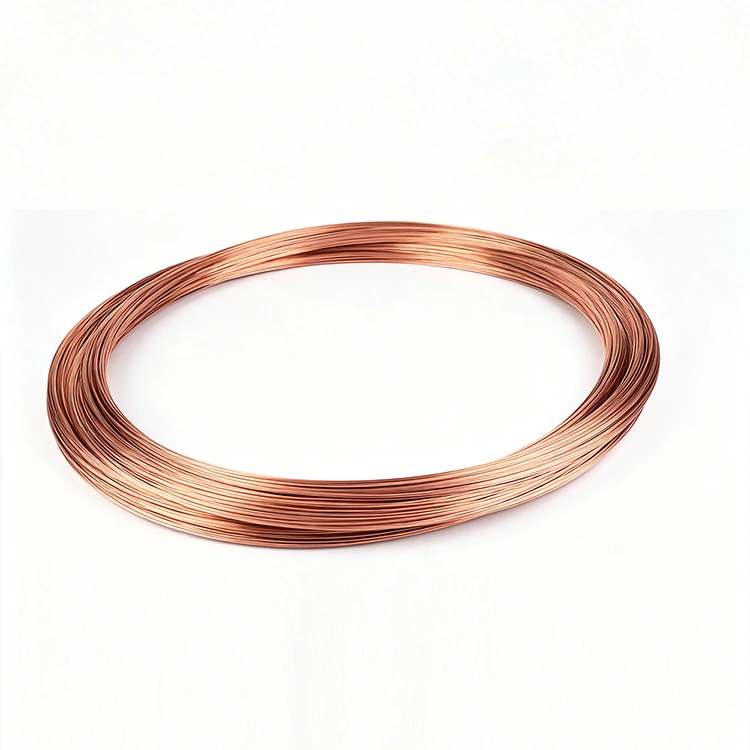

Can a Red Copper Capillary Tube Optimize Performance in HVAC, Medical, and Plumbing Systems?
The red copper capillary tube is a cornerstone of modern fluid control, yet its full potential often remains underappreciated. From optimizing HVAC efficiency and ensuring medical gas safety to reducing installation costs in plumbing, we dissect the critical parameters—purity, temper, diameter, and configuration. Backed by industry standards and performance data, this article equips engineers, contractors, and procurement specialists with the knowledge to make informed decisions. We also address the most common technical questions and provide a clear path to sourcing customized, high-reliability solutions.
Table of Contents
- 1. What Defines a Red Copper Capillary Tube?
- 2. HVAC&R: The Heart of Thermal Management
- 3. Medical & Precision Gas Systems
- 4. Plumbing, Gas Distribution & Beyond
- 5. Critical Selection Parameters
- 6. Performance Data: Configuration & Length Effects
- 7. Frequently Asked Questions (FAQ)
- 8. Conclusion & How Zenko Can Support Your Project
1. What Defines a Red Copper Capillary Tube?
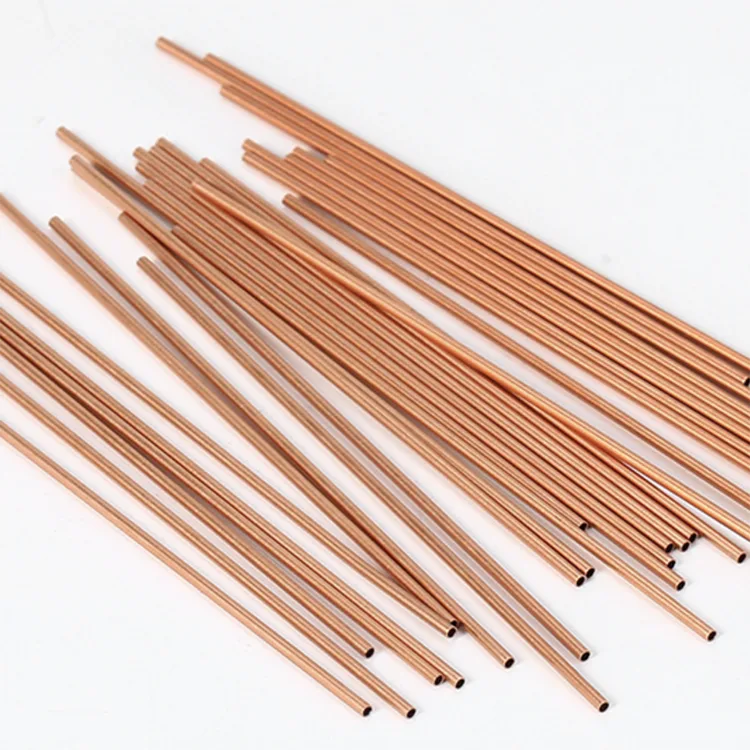
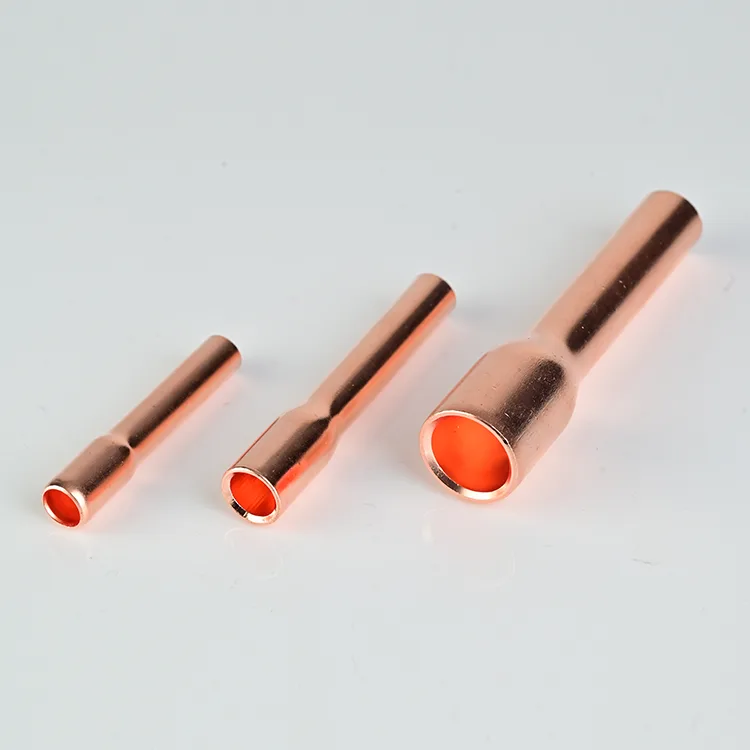
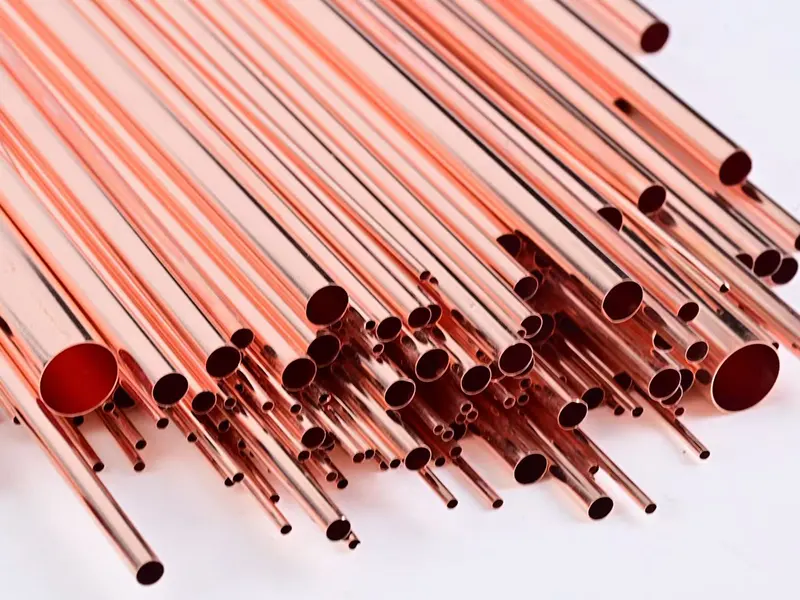
At its core, a red copper capillary tube is a seamless, small-diameter tube manufactured from high-purity copper (typically ≥99.90% copper content). Its distinctive reddish-purple color is the hallmark of pure copper, differentiating it from brasses or bronzes that contain significant alloying elements. The "capillary" designation refers to its small internal diameter, which creates significant flow resistance—a property that is ingeniously exploited in refrigerant expansion devices and precision fluid metering.
The manufacturing process, as practiced by leading manufacturers like Zenko, involves continuous casting, rolling, and precision drawing. This ensures not only dimensional accuracy but also a smooth internal surface finish, which is crucial for minimizing pressure drop and contamination risk. The material’s high thermal and electrical conductivity, combined with natural antimicrobial properties and excellent corrosion resistance, makes it the material of choice across multiple critical industries.
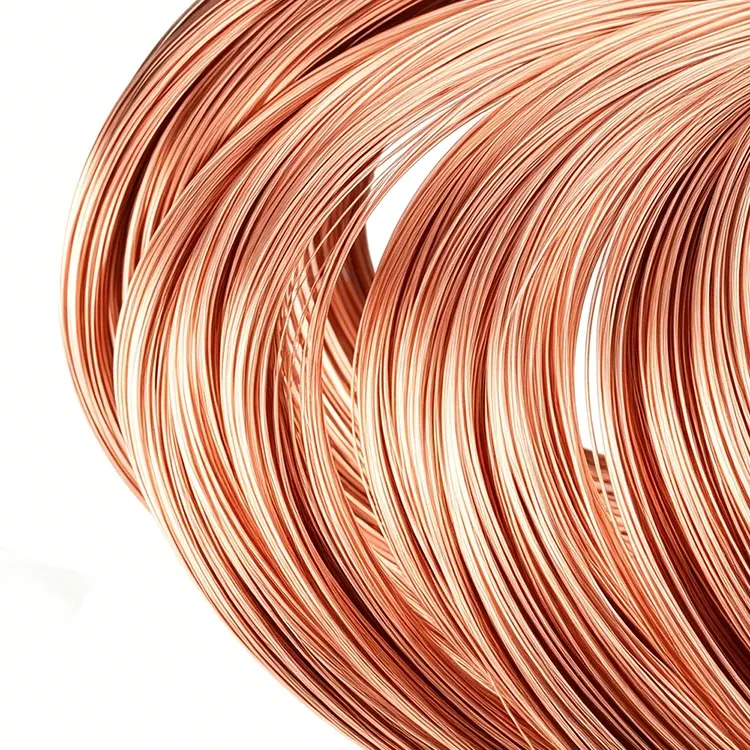
2. HVAC&R: The Heart of Thermal Management
In the world of heating, ventilation, air conditioning, and refrigeration (HVAC&R), the red copper capillary tube is far more than a simple connector. It functions as a precise expansion device that regulates refrigerant flow from the condenser to the evaporator. The pressure drop across the tube is finely tuned by its length and internal diameter, directly influencing the system's coefficient of performance (COP).
Key advantages in HVAC&R:
- Exceptional Thermal Conductivity: Pure copper (often C11000 or C12200) offers thermal conductivity around 380–400 W/m·K, enabling rapid heat exchange in evaporator and condenser coils.
- Corrosion Resistance: Copper withstands the aggressive refrigerants and operating environments found in both residential and commercial systems. It is compatible with most modern refrigerants, including hydrocarbons (with proper handling), though ammonia systems require alternative materials.
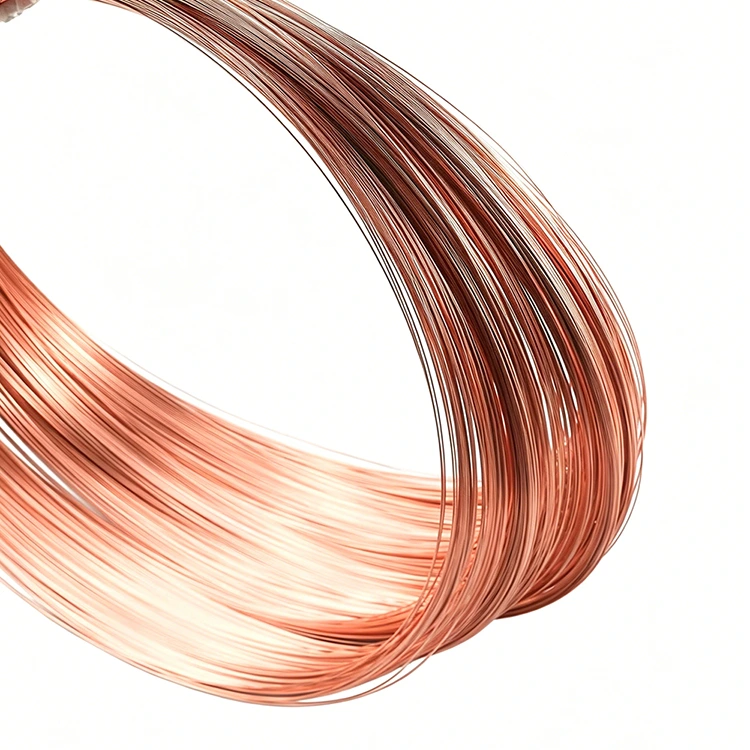
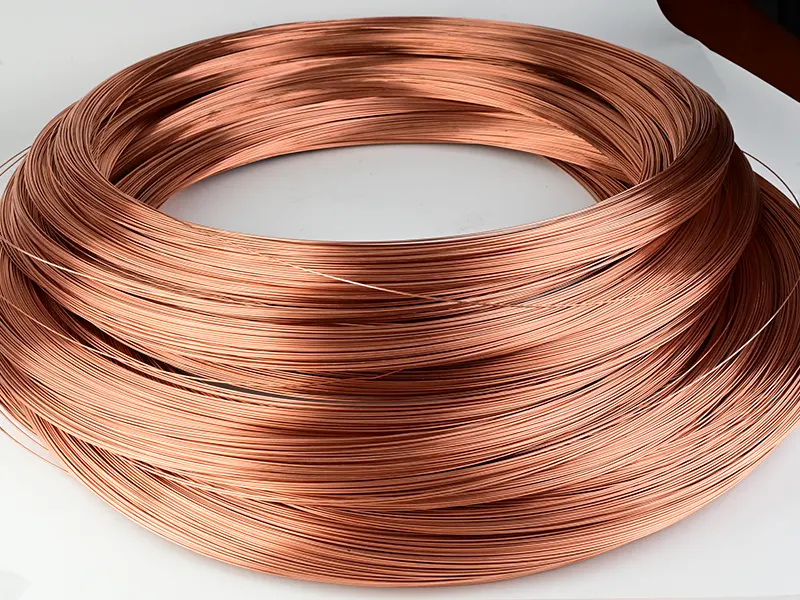
- Coil Form Efficiency: Supplying capillary tubes in coils (rather than straight lengths) reduces the number of brazed joints, significantly lowering leak risk and speeding up installation. Zenko offers continuous coil lengths from 15 kg retail packs to 500 kg industrial coils.
Leading standards such as ASTM B280 and EN 12735 govern the quality and dimensions of copper tubes used in ACR (Air Conditioning and Refrigeration) field service, ensuring reliable performance globally.
3. Medical & Precision Gas Systems
The use of red copper in medical gas systems is a testament to its unique combination of safety and performance. Copper’s inherent bio-static and antimicrobial properties make it an ideal material for conveying medical gases such as oxygen, nitrous oxide, and medical air, where hygiene and purity are paramount.
Why medical engineers and facility managers choose red copper capillary tubing:
- Compliance with Stringent Standards: Medical gas copper tube is manufactured to meet ASTM B819 and must comply with safety codes like NFPA 99 (Health Care Facilities Code) and HTM 02-01 in the UK. These standards mandate specific cleaning, capping, and packaging protocols to ensure the tube is "oxygen service" ready.
- Bright Annealed Finish: For sanitary applications, a bright annealed (clean and oxide-free) interior surface is essential. This prevents particulate contamination and ensures the gas purity is maintained. Zenko provides copper tubes with a clean inner surface, pressure-tested and traceable for complete quality assurance.
- Micro-bore and Capillary Options: For precision instruments and laboratory equipment, ultra-small diameters are available, with wall thicknesses down to 0.3 mm.
4. Plumbing, Gas Distribution & Beyond
Beyond specialized systems, red copper capillary tubes and their larger-diameter counterparts are the backbone of modern plumbing and gas distribution. Their durability and resistance to corrosion from potable water and common gases like LPG make them a preferred choice for contractors.
Applications include:
- Potable Water Supply: Copper does not degrade water quality and has a long service life, virtually eliminating maintenance costs. It is available in Type K (thickest wall), Type L, and Type M wall thickness grades, allowing engineers to select the appropriate pressure rating for the application.
- Natural Gas and LPG Systems: Red copper is widely used for gas distribution in many global markets. It is critical to use appropriate fittings (brazed or flared) and to follow local codes. In the US, Type L or ACR tube is often used for LPG and natural gas.
- Solar and Renewable Energy Systems: The high thermal conductivity of copper makes it an ideal material for solar thermal collectors and heat pump systems.
Zenko supports global contractors with a wide range of tempers (soft, half-hard, hard) to suit different bending requirements, along with custom packaging for efficient logistics.
5. Critical Selection Parameters: Diameter, Temper & Purity
Selecting the correct red copper capillary tube is a technical decision that impacts system efficiency, safety, and longevity. The following table summarizes the key parameters:
| Parameter | Typical Range / Options | Impact on Performance |
|---|---|---|
| Copper Purity | ≥99.90% (e.g., C11000, C12200, T2) | High purity ensures maximum thermal and electrical conductivity, and optimal corrosion resistance. |
| Outside Diameter (OD) | From ~1.6 mm up to 19.05 mm (3/4") for capillary | OD and wall thickness together determine the internal diameter, which directly controls refrigerant flow rate and pressure drop. |
| Wall Thickness | Down to 0.3 mm for micro-bore; Types K/L/M for plumbing | Thicker walls provide higher pressure ratings but reduce internal volume. Crucial for system design pressure. |
| Temper / Hardness | Soft (Annealed), Half-Hard, Hard | Soft tube is highly flexible for bending in coils; Hard tube is stronger for straight runs. Selection affects installation methods. |
| Configuration | Straight, Helical Coiled, Serpentine | Coiled configurations (helical, serpentine) are used to save space and increase flow restriction in a compact form. |
6. Performance Data: The Impact of Length & Configuration
An experimental study on the performance of capillary tubes in a vapor compression refrigeration system provides insightful data on how length and configuration influence efficiency. The study, which kept a constant internal diameter (0.036 inch), highlights critical trade-offs:
| Capillary Tube Configuration | Length (feet) | Mass Flow Rate (kg/min) | Refrigeration Effect (kJ/kg) | COP (at load) |
|---|---|---|---|---|
| Straight Coiled | 3 | ≈ 1.257 | ≈ 167 | 16.7 |
| Serpentine Coiled | 3 | ≈ 1.246 | ≈ 168.5 | ~17.7 |
| Helical Coiled | 3 | ≈ 1.235 | ≈ 170 | 18.89 |
Key takeaway: For the same length and diameter, the helical coiled configuration yields the highest refrigeration effect and COP, albeit with a slightly lower mass flow rate compared to a straight tube. This demonstrates that for applications where space and efficiency are paramount, a coiled design offers a tangible performance benefit. Conversely, straight configurations deliver a higher mass flow rate. This data underscores the importance of tailoring the tube's geometry to the specific system requirements.
7. Frequently Asked Questions (FAQ)
1. What industries most commonly use red copper capillary tubes?
They are predominantly used in HVAC and refrigeration systems (as expansion devices), medical gas systems (oxygen, medical air), and plumbing and gas distribution. Their high thermal conductivity, corrosion resistance, and antimicrobial properties make them versatile.
2. Which international standards govern these tubes?
Key standards include ASTM B280 (ACR applications), ASTM B88 (plumbing), EN 12735 (European ACR), and ASTM B819 (medical gas). Many manufacturers, including Zenko, also comply with JIS H3300 and other regional standards to ensure global acceptance.
3. Can I get custom dimensions and packaging?
Yes, reputable manufacturers like Zenko provide OEM/ODM customization for diameter, wall thickness, coil length, temper, and specialized packaging. This includes options for dehydrated and nitrogen-charged tubes to prevent oxidation during storage.
4. Why choose a capillary tube in coil form over straight lengths?
Coil form significantly reduces the number of joints needed in a system, lowering potential leak points and improving on-site installation flexibility and efficiency. This is especially valuable in large-scale projects.
8. Conclusion & How Zenko Can Support Your Project
The red copper capillary tube is a masterclass in material optimization—a product where purity, precision, and geometry converge to solve critical fluid control challenges. Whether you are designing a high-efficiency chiller, a safe and sterile medical gas network, or a robust plumbing system, the selection of the right capillary tube is a decision that has long-term performance and reliability implications.
From the supply of high-purity ≥99.90% Grade A cathode copper to rigorous quality control that includes pressure testing and clean inner surface treatment, Zenko stands as a leading China-based manufacturer committed to global quality standards (ASTM, EN, JIS). We offer:
- Full Traceability: Complete documentation from mill to delivery.
- Customized Solutions: Tailored dimensions, tempers, and packaging for your specific OEM/ODM needs.
- Global Logistics: Stable supply and export support for contractors, distributors, and industrial partners.
Ready to optimize your system?
Whether you need a sample for testing, a custom quote, or technical consultation, our team is here to help.
Contact Us today to discuss your project requirements and experience the Zenko advantage in quality and service.
Related News
- What Makes Precision Red Copper Coil Tube Reliable for Heat Transfer and Fluid Control?
- What Makes Red Copper Capillary Tube a Reliable Choice for Precision Applications?
- What Are the Key Features and Uses of Red Copper Capillary Tube?
- What Is a Center Connection Terminal and Why Does It Matter for Reliable Electrical Connections?
- What Makes Copper Aluminum Terminal the Reliable Choice for Modern Electrical Connections?
- Precision Capillary Tubes for Medical, Analytical, and Micro-Fluidic Applications
Leave me a message