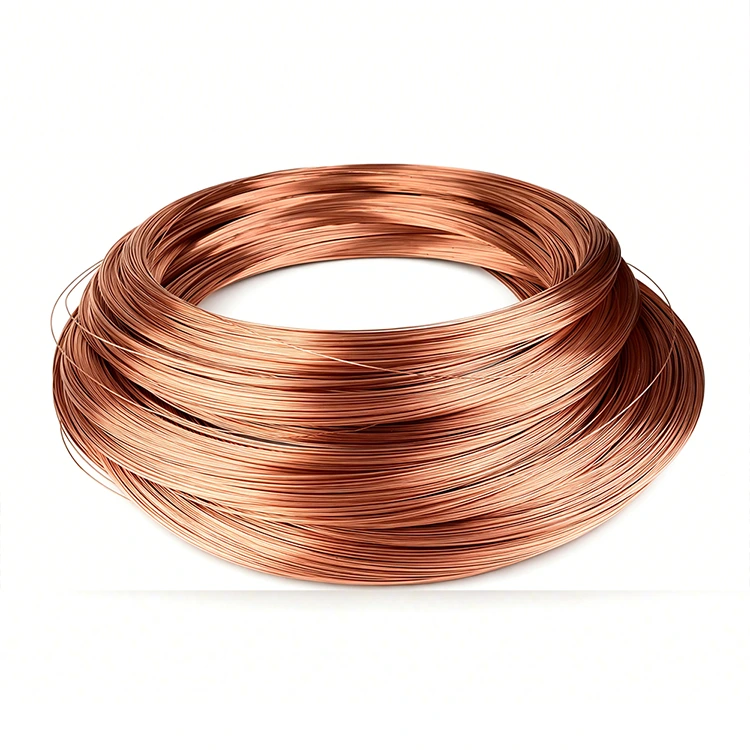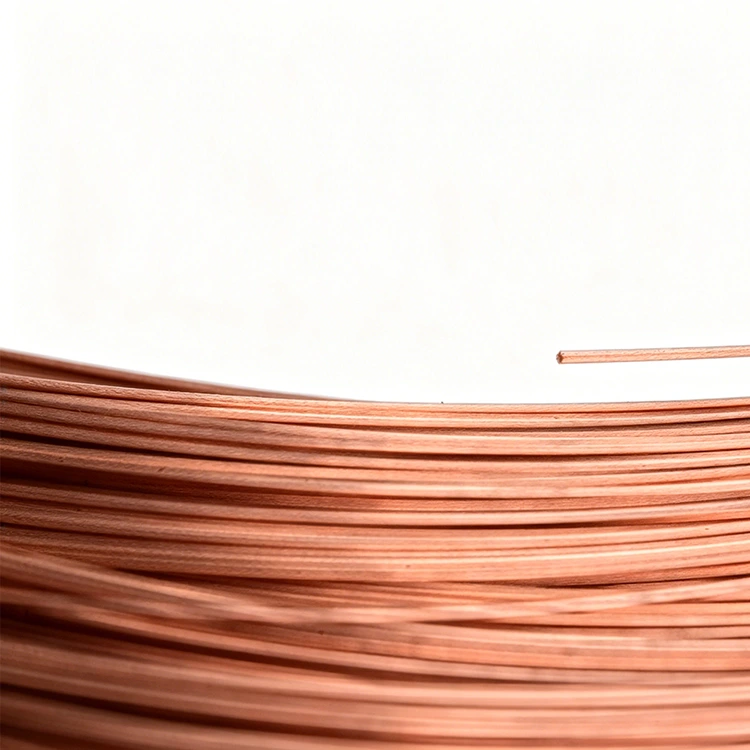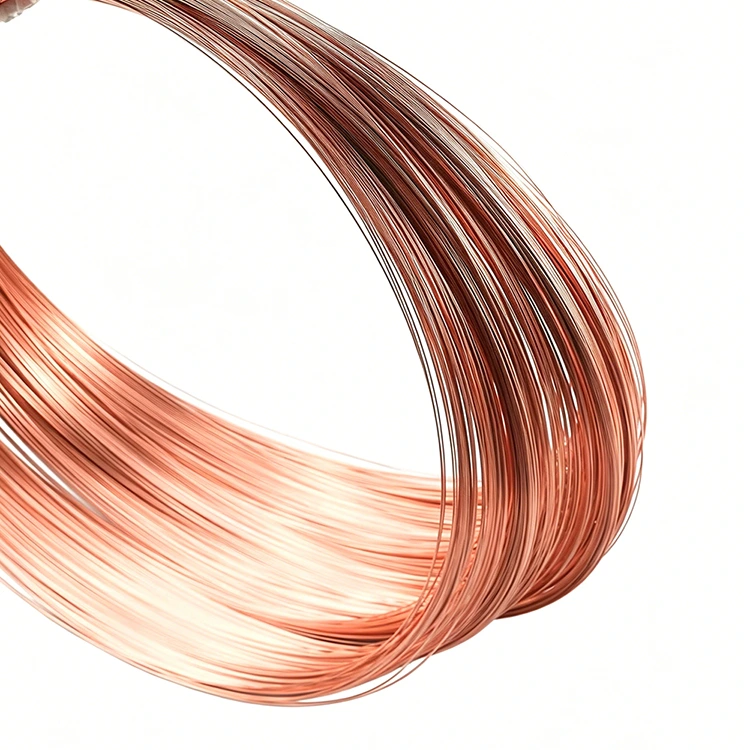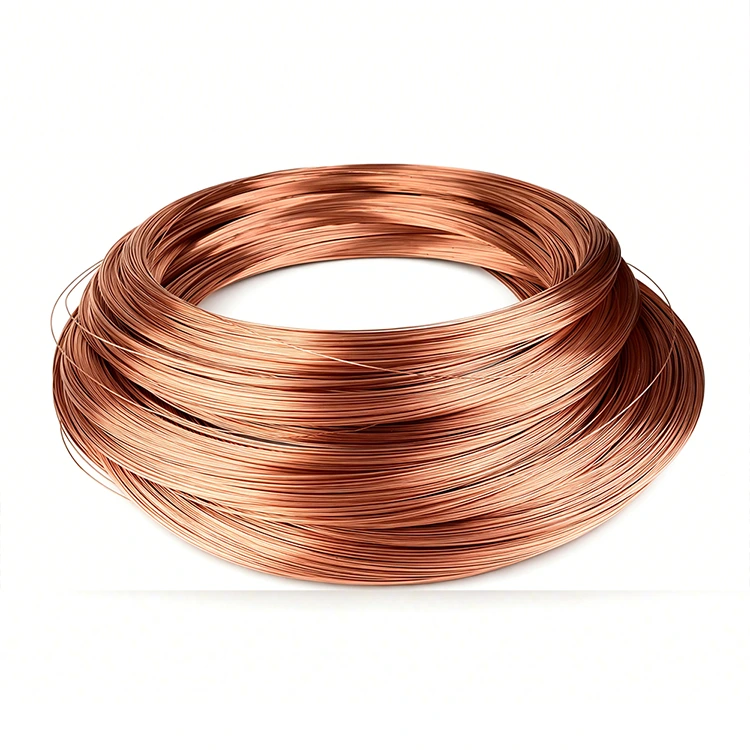

The development of refrigeration, air conditioning, and precision fluid control equipment has increased the demand for reliable copper components with accurate dimensions and stable performance. Red Copper Capillary Tube has become an important component in various industrial systems because of its excellent thermal conductivity, good formability, and ability to support controlled fluid movement.
Understanding the material characteristics, manufacturing processes, and practical applications of precision copper tubing helps engineers and manufacturers select suitable components for different equipment designs. This article explores the technical features and common uses of copper capillary tubing from an industrial perspective.
Table of Contents
- 1. The Growing Importance of Precision Copper Tubing
- 2. What Are the Key Features of Copper Capillary Tubing?
- 3. How Copper Material Supports Reliable Performance
- 4. Common Uses in Different Industries
- 5. Manufacturing Process and Quality Control
- 6. Factors to Consider When Choosing Tubing
- 7. Frequently Asked Questions
The Growing Importance of Precision Copper Tubing
Modern industrial equipment continues to become more compact, efficient, and specialized. From household refrigeration appliances to commercial cooling systems, manufacturers require components that can provide consistent performance while fitting into increasingly sophisticated designs.
Copper tubing plays an important role in these applications because copper combines excellent heat transfer capability with practical manufacturing advantages. Its natural material properties allow it to be processed into small-diameter tubes suitable for systems where accurate fluid control is required.
The demand for precision components has encouraged manufacturers to improve production technologies, focusing on dimensional accuracy, surface quality, and material consistency. These improvements help support stable operation in equipment that depends on controlled refrigerant or fluid circulation.
Why Precision Tubing Matters in Modern Equipment
- Accurate dimensions help maintain predictable fluid flow characteristics.
- Reliable material properties support long-term equipment operation.
- Compact designs benefit from flexible and lightweight tube structures.
- Smooth internal surfaces contribute to stable system performance.
What Are the Key Features of Copper Capillary Tubing?
A precision tube needs to meet multiple technical requirements before it can be applied in industrial systems. Material selection, production accuracy, and surface treatment all influence the final performance of the tubing.
Red Copper Capillary Tube is recognized for its combination of thermal performance and processing flexibility. These characteristics make it suitable for applications that require accurate flow control and dependable heat transfer capability.
High Thermal Conductivity
One of the most important advantages of copper materials is their ability to transfer heat efficiently. In refrigeration and cooling applications, effective heat exchange is essential for maintaining stable operating conditions.
Copper allows thermal energy to move effectively through the tube structure, supporting equipment manufacturers in developing reliable cooling solutions. This characteristic is especially valuable in systems where space limitations require efficient component design.
High Dimensional Accuracy
Precision manufacturing allows copper capillary tubing to achieve consistent internal diameter and wall thickness. Accurate dimensions are important because they directly influence fluid movement and system balance.
Manufacturers often apply advanced forming and inspection methods to ensure that each tube meets required specifications. Consistent dimensions help engineers integrate tubing into different equipment structures with greater reliability.
Good Formability and Installation Flexibility
Another important characteristic of copper tubing is its excellent formability. Compared with many other metal materials, copper can be processed into precise shapes while maintaining structural stability. This makes it suitable for equipment designs that require bending, compact routing, or customized installation arrangements.
The flexibility of copper tubing allows engineers to optimize internal layouts without compromising connection reliability. In refrigeration and thermal management systems, this advantage helps manufacturers create equipment with efficient space utilization and dependable operation.
Stable Corrosion Resistance
Industrial components often operate in environments where temperature changes, moisture, or continuous operation may affect material performance. Copper naturally provides good resistance against corrosion, which helps maintain its physical characteristics over extended service periods.
This property makes copper tubing suitable for applications where consistent performance is required. Proper material selection and manufacturing control further improve the reliability of tubing used in professional equipment.
How Copper Material Supports Reliable Performance
The performance of precision tubing depends greatly on the quality of the raw material and the manufacturing process. Copper purity, internal structure, and surface condition all influence how the final tube performs in practical applications.
High-quality copper materials provide a balance between strength and flexibility. This allows manufacturers to produce tubes that can withstand processing requirements while maintaining accurate dimensions after forming.
| Material Feature | Technical Influence | Application Benefit |
|---|---|---|
| Thermal Conductivity | Supports rapid heat transfer between system components. | Improves stability in cooling and heat exchange equipment. |
| Material Flexibility | Allows easier forming and installation. | Supports compact equipment structures. |
| Dimensional Consistency | Maintains predictable internal flow conditions. | Helps achieve reliable system operation. |
| Surface Quality | Reduces potential interference during fluid movement. | Supports cleaner and smoother system performance. |
The Relationship Between Material Quality and Equipment Reliability
In precision applications, the quality of tubing directly affects the performance of the complete system. Small differences in tube structure or dimensions may influence fluid distribution, heat transfer, and equipment response.
For this reason, manufacturers usually combine material inspection, precision processing, and quality verification procedures to maintain consistent product characteristics. Reliable copper tubing helps equipment designers develop solutions that meet modern industrial requirements.
Common Uses in Different Industries
Precision copper tubing is widely applied across industries that require accurate fluid control and effective thermal management. Its compact structure and excellent physical properties allow it to support various types of equipment.
Red Copper Capillary Tube is commonly associated with refrigeration-related applications, where controlled refrigerant movement is essential. However, its usage extends beyond traditional cooling systems and includes several specialized industrial fields.
| Industry | Application | Main Requirement |
|---|---|---|
| Refrigeration Equipment | Used as a flow control component in cooling circuits. | Precise dimensions and stable operation. |
| Air Conditioning Systems | Supports refrigerant circulation and thermal exchange. | Good conductivity and durability. |
| Heat Exchange Equipment | Transfers thermal energy between system components. | Reliable heat transfer performance. |
| Industrial Instruments | Provides controlled fluid transportation. | High accuracy and material consistency. |
Applications in Refrigeration Systems
Refrigeration remains one of the most common application areas for copper capillary tubing. Within cooling systems, the tube functions as a precision flow control component that helps regulate refrigerant movement between different sections of the system.
The accurate internal structure of the tubing allows manufacturers to design refrigeration equipment with stable cooling performance. This makes copper tubing an important element in household appliances, commercial refrigeration units, and specialized cooling equipment.
Applications Beyond Cooling Equipment
Although refrigeration is a major application field, precision copper tubes are also used in other industries requiring controlled fluid pathways. Laboratory equipment, medical devices, and industrial automation systems may utilize copper tubing because of its reliable material characteristics.
As industrial technology continues to develop, manufacturers increasingly focus on components that combine compact design with dependable functionality. Copper tubing remains an important choice for engineers designing advanced equipment systems.
Manufacturing Process and Quality Control
Producing reliable precision copper tubing requires careful control throughout the manufacturing process. From raw material selection to final inspection, each stage influences the quality and performance of the finished product.
Main Production Stages
- Raw copper material selection based on application requirements and quality standards.
- Precision drawing processes to achieve required tube dimensions.
- Heat treatment procedures to improve material characteristics.
- Surface cleaning to maintain product quality.
- Dimensional inspection and quality checks before delivery.
Importance of Professional Manufacturing Capability
Professional manufacturers need comprehensive production knowledge to maintain consistency across different batches. Advanced equipment, experienced technicians, and strict inspection procedures help ensure that tubing meets industrial application requirements.
Zenko provides precision metal manufacturing solutions with attention to material quality, production accuracy, and application requirements for customers in different industrial fields.