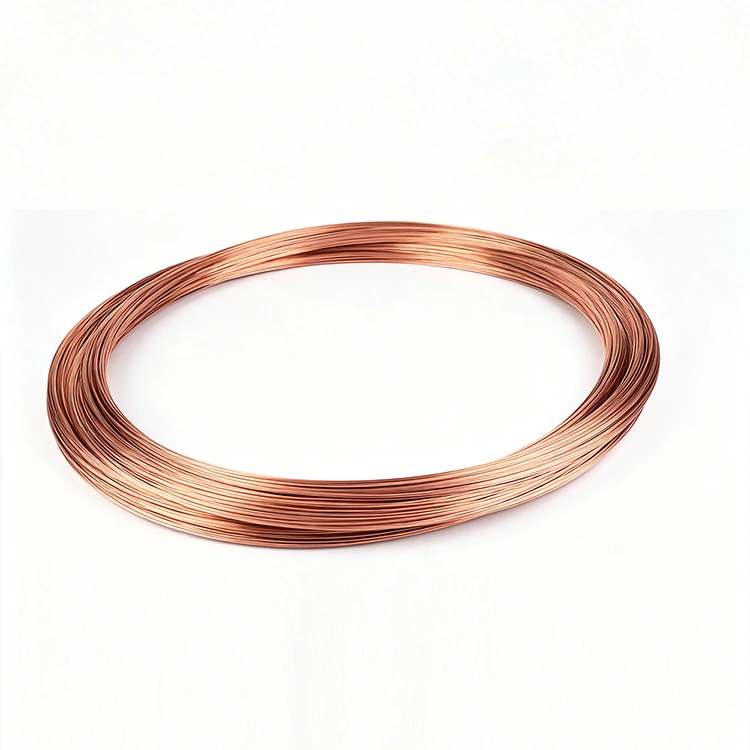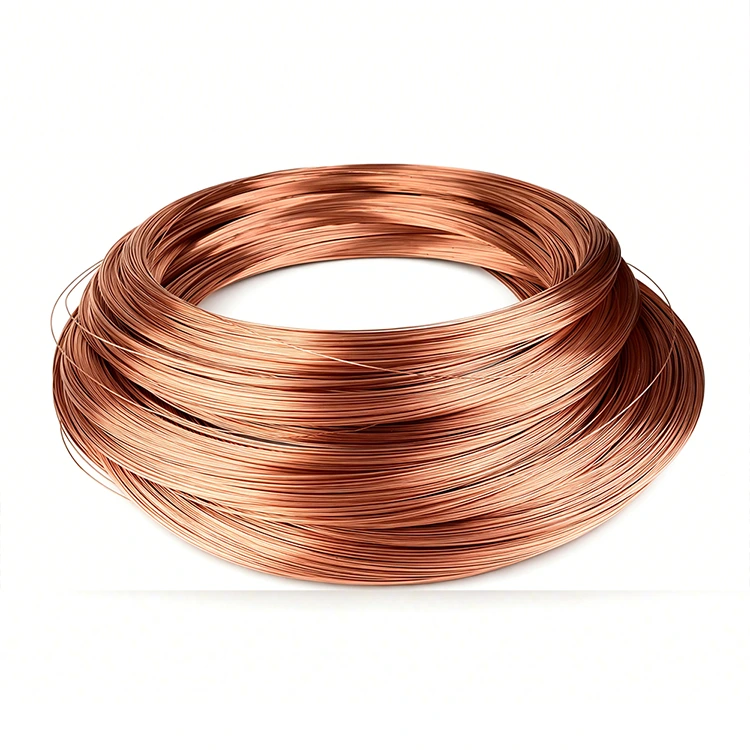

What Is a Center Connection Terminal and Why Does It Matter for Reliable Electrical Connections?
A Center Connection Terminal is a critical component used in electrical systems to create stable, efficient, and secure connections between multiple circuits or conductive elements. With increasing demands for safety, miniaturization, and reliable power transmission, choosing the right terminal solution has become essential for manufacturers and engineers. This article explains the structure, applications, benefits, selection factors, and common challenges of Center Connection Terminals, helping businesses understand how these components improve electrical performance and reduce maintenance costs.
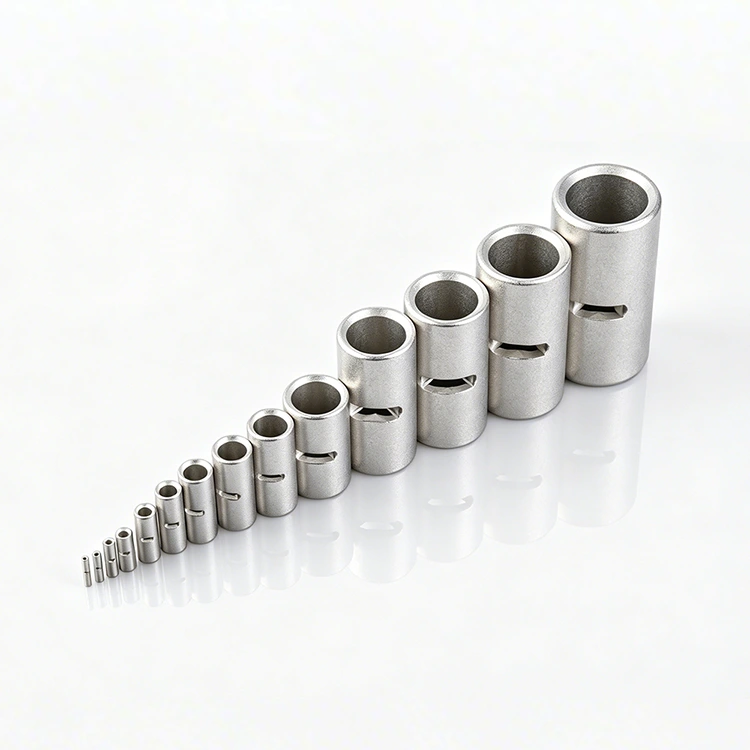
Table of Contents
- 1. What Is a Center Connection Terminal?
- 2. Why Are Center Connection Terminals Important?
- 3. How Does a Center Connection Terminal Work?
- 4. Where Are Center Connection Terminals Used?
- 5. Key Advantages of Using Center Connection Terminals
- 6. How to Choose the Right Center Connection Terminal?
- 7. Common Problems and Solutions
- 8. Reliable Manufacturing Support from Wenzhou Zenko Metal Co., Ltd.
- 9. Frequently Asked Questions
1. What Is a Center Connection Terminal?
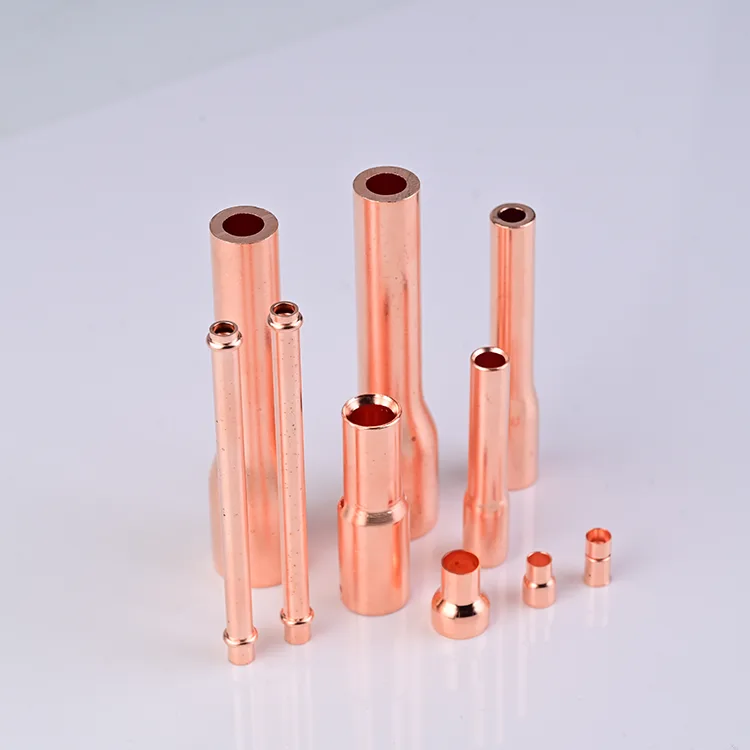
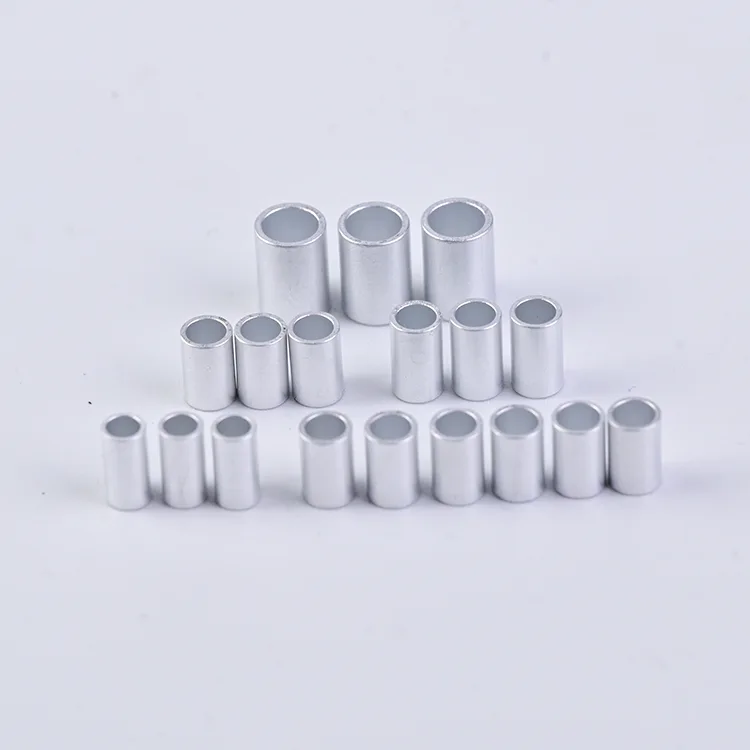
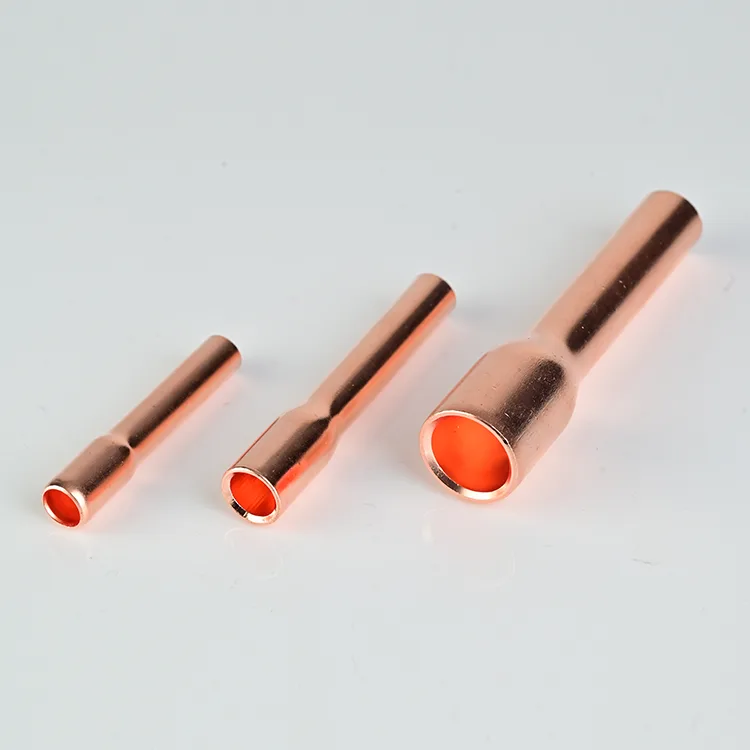
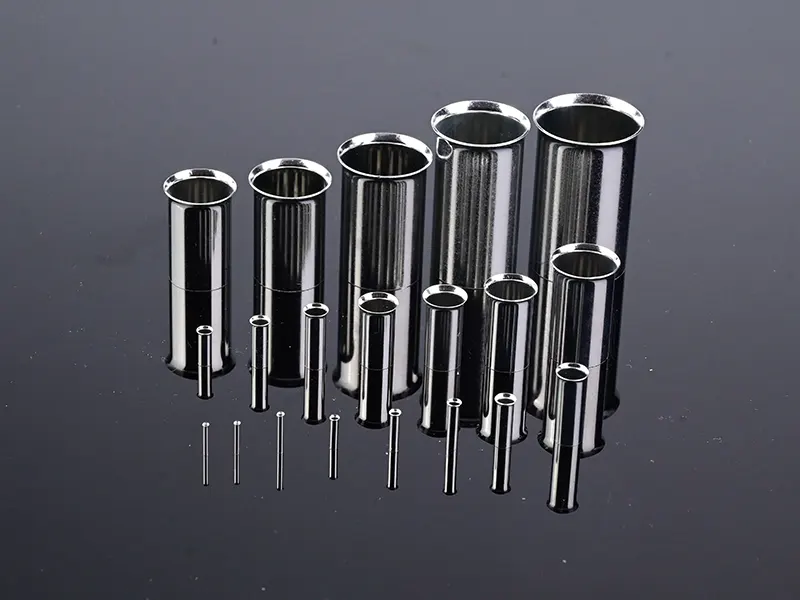
A Center Connection Terminal is an electrical connection component designed to provide a central connection point between different wires, cables, or conductive parts within an electrical circuit. It allows multiple electrical paths to be connected efficiently while maintaining stable current transmission and mechanical strength.
Unlike simple wire connectors, Center Connection Terminals are engineered for applications that require higher reliability, better conductivity, and long-term durability. They are commonly manufactured from conductive metals such as copper, brass, or specialized alloys to ensure excellent electrical performance.
In modern electrical equipment, connection quality directly affects system safety and efficiency. A poorly designed terminal may cause increased resistance, overheating, signal interruption, or even equipment failure. Therefore, selecting a suitable Center Connection Terminal is an important step for electrical engineers, equipment manufacturers, and industrial suppliers.
Key Functions of a Center Connection Terminal:
- Creates a secure electrical connection point
- Improves current distribution efficiency
- Reduces wiring complexity
- Enhances system reliability and safety
- Supports easier installation and maintenance
2. Why Are Center Connection Terminals Important?
Electrical systems depend on stable connections. Even when high-quality cables and advanced devices are used, connection failures can reduce overall system performance. A Center Connection Terminal provides a professional connection solution that helps prevent many common electrical issues.
For industrial equipment, automotive systems, power distribution units, and electronic devices, terminals must withstand vibration, temperature changes, current fluctuations, and long-term operation. This makes terminal design and manufacturing quality extremely important.
| Electrical Challenge | How Center Connection Terminal Helps |
|---|---|
| High contact resistance | Provides optimized conductive contact surfaces |
| Loose connections | Offers secure mechanical fixing structures |
| Complex wiring layouts | Creates organized central connection points |
| Maintenance difficulties | Simplifies inspection and replacement processes |
3. How Does a Center Connection Terminal Work?
The working principle of a Center Connection Terminal is based on creating a low-resistance electrical pathway between connected conductors. When wires or conductive components are attached to the terminal, the metal contact area allows electrical current to pass smoothly through the connection point.
A typical Center Connection Terminal includes several important parts:
- Conductive Body: The main metal section responsible for electrical transmission.
- Connection Area: The section where wires, cables, or components are attached.
- Fixing Structure: Ensures mechanical stability during operation.
- Protective Surface: Helps prevent corrosion and improves service life.
Advanced manufacturing technologies allow modern terminals to achieve better precision, stronger conductivity, and improved resistance against environmental factors. This is especially important in industries where equipment downtime can lead to significant losses.
4. Where Are Center Connection Terminals Used?
Center Connection Terminals are widely applied across various industries because they provide reliable and efficient connection solutions. Their compact design and strong electrical performance make them suitable for both industrial and commercial applications.
| Industry | Typical Applications |
|---|---|
| Automotive | Vehicle wiring systems, battery connections, control modules |
| Industrial Equipment | Machinery control systems and power distribution units |
| Electronics | Circuit assemblies and electrical devices |
| Energy Systems | Power management and connection equipment |
| Communication Equipment | Signal transmission and network-related systems |
As industries continue moving toward smarter and more compact electrical solutions, the demand for high-quality Center Connection Terminals continues to grow. Manufacturers need components that provide consistent performance while meeting strict quality requirements.
5. Key Advantages of Using Center Connection Terminals
Selecting the right terminal solution can significantly improve electrical system performance. High-quality Center Connection Terminals offer multiple advantages:
- Excellent Electrical Conductivity: Premium conductive materials reduce energy loss and improve current flow.
- Reliable Mechanical Strength: Strong structures help maintain stable connections under vibration and movement.
- Space Efficiency: Compact designs support modern equipment with limited installation space.
- Long Service Life: Corrosion-resistant materials improve durability in demanding environments.
- Easy Installation: Designed for efficient assembly and maintenance.
For companies searching for dependable terminal solutions, working with an experienced manufacturer can help ensure product consistency, customization capability, and technical support.
6. How to Choose the Right Center Connection Terminal?
Choosing the correct Center Connection Terminal requires careful consideration of electrical requirements, environmental conditions, installation methods, and product quality. A suitable terminal not only improves connection reliability but also helps reduce future maintenance costs and operational risks.
Many customers face challenges when selecting terminals because different applications require different specifications. A terminal designed for a low-power electronic device may not be suitable for heavy industrial equipment. Therefore, understanding the key selection factors is essential.
| Selection Factor | Why It Matters |
|---|---|
| Material Quality | Determines conductivity, corrosion resistance, and service life. |
| Current Capacity | Ensures the terminal can safely handle electrical loads. |
| Environmental Conditions | Affects resistance to moisture, heat, vibration, and chemicals. |
| Size Compatibility | Ensures proper installation within existing equipment structures. |
| Manufacturing Precision | Improves contact stability and product consistency. |
Before purchasing Center Connection Terminals, engineers should evaluate the complete operating environment. Factors such as temperature changes, continuous current flow, mechanical vibration, and exposure to external elements can influence terminal performance.
Important Questions Before Choosing a Terminal:
- What voltage and current requirements does the system have?
- Will the terminal operate in a high-temperature or high-humidity environment?
- Does the application require customized dimensions or structures?
- What level of mechanical durability is required?
- Does the supplier provide consistent quality control?
7. Common Problems and Solutions of Center Connection Terminals
Although Center Connection Terminals are designed to provide reliable electrical connections, improper selection, installation, or low-quality manufacturing can create performance issues. Understanding common problems helps users prevent failures before they occur.
| Common Problem | Possible Cause | Recommended Solution |
|---|---|---|
| Overheating | High resistance or insufficient current capacity | Choose terminals with suitable materials and specifications |
| Signal interruption | Loose contact or poor installation | Improve fixing methods and connection accuracy |
| Corrosion | Exposure to moisture or harsh environments | Use corrosion-resistant materials and protective coatings |
| Short service life | Low-quality materials or manufacturing defects | Work with reliable terminal manufacturers |
8. Manufacturing Quality Standards for Center Connection Terminals
The performance of a Center Connection Terminal depends heavily on manufacturing quality. Precision production processes ensure that each terminal meets required electrical and mechanical standards.
A professional manufacturer should focus on several important areas:
- Material Selection: Using high-quality conductive metals for stable performance.
- Precision Processing: Maintaining accurate dimensions for perfect fitting.
- Surface Treatment: Improving corrosion resistance and contact reliability.
- Quality Inspection: Testing electrical and mechanical performance before delivery.
- Customization Capability: Providing solutions for different customer requirements.
For businesses purchasing electrical components in bulk, supplier reliability is just as important as product specifications. A trusted manufacturing partner can provide stable production capacity, technical assistance, and customized solutions.
9. Reliable Manufacturing Support from Wenzhou Zenko Metal Co., Ltd.
When selecting a supplier for Center Connection Terminals, manufacturers need a partner that understands precision metal components, electrical connection requirements, and industrial application demands.
Wenzhou Zenko Metal Co., Ltd. specializes in manufacturing high-quality metal components and connection solutions designed to meet the needs of various industries. With professional production experience, strict quality management, and strong customization capabilities, the company provides reliable solutions for customers requiring durable and accurate electrical connection products.
By focusing on material performance, manufacturing precision, and customer requirements, Wenzhou Zenko Metal Co., Ltd. helps businesses achieve safer and more efficient electrical systems.
Why Choose Wenzhou Zenko Metal Co., Ltd.?
- Professional experience in metal component manufacturing
- Strong capability for customized terminal solutions
- Strict quality control during production
- Reliable product consistency for large-volume orders
- Commitment to customer-focused technical support
10. Frequently Asked Questions About Center Connection Terminal
Q1: What is the main purpose of a Center Connection Terminal?
A Center Connection Terminal provides a stable connection point for multiple electrical conductors, helping improve current transmission efficiency, wiring organization, and system reliability.
Q2: Which materials are commonly used for Center Connection Terminals?
Common materials include copper, brass, and other conductive alloys. The selected material depends on electrical requirements, environmental conditions, and application needs.
Q3: Can Center Connection Terminals be customized?
Yes. Many manufacturers provide customized solutions based on size, structure, material, surface treatment, and specific application requirements.
Q4: How can I ensure the quality of a Center Connection Terminal supplier?
Customers should evaluate manufacturing experience, production capability, quality inspection procedures, customization ability, and after-sales support before choosing a supplier.
Conclusion: Building More Reliable Electrical Connections with the Right Terminal Solution
A Center Connection Terminal plays an essential role in modern electrical systems by providing secure, efficient, and durable connection performance. From industrial machinery and automotive applications to electronic equipment and power systems, reliable terminals help improve safety, reduce downtime, and extend equipment service life.
Choosing the right terminal requires attention to material quality, design accuracy, electrical performance, and supplier reliability. Working with an experienced manufacturer ensures that every component meets the demands of modern applications.
Wenzhou Zenko Metal Co., Ltd. is committed to providing dependable metal connection solutions with professional manufacturing capabilities and customer-oriented service. If you are looking for high-quality Center Connection Terminal products or customized electrical connection solutions, please contact us today to discuss your requirements and receive professional support.
Related News
- What Makes Precision Red Copper Coil Tube Reliable for Heat Transfer and Fluid Control?
- What Makes Red Copper Capillary Tube a Reliable Choice for Precision Applications?
- What Are the Key Features and Uses of Red Copper Capillary Tube?
- What Makes Copper Aluminum Terminal the Reliable Choice for Modern Electrical Connections?
- Can a Red Copper Capillary Tube Optimize Performance in HVAC, Medical, and Plumbing Systems?
- Precision Capillary Tubes for Medical, Analytical, and Micro-Fluidic Applications
Leave me a message