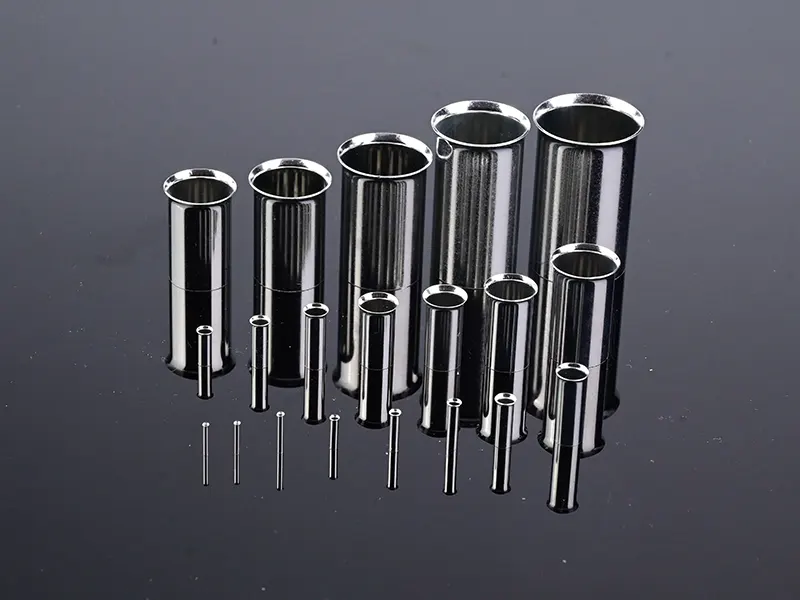

China Professional Copper Aluminum Terminal Manufacturer, Supplier
Zenko Copper Aluminum Terminal is engineered for secure and efficient connection between copper and aluminum conductors in advanced electrical systems. As a professional China manufacturer, supplier and factory, Zenko focuses on delivering durable interconnection components that solve galvanic corrosion challenges while supporting global electrification trends. These terminals are widely used in solar power systems, wind energy infrastructure, EV charging stations, and smart grid distribution networks.
Key Features
· Bimetallic Friction Welding Technology: Ensures metallurgical bonding for superior conductivity and mechanical stability
· Anti-Corrosion Design: Effectively reduces galvanic corrosion between dissimilar metals
· High Current Capacity: Stable performance under continuous load and thermal cycling
· Precision Manufacturing: Consistent dimensional accuracy for secure installation
· Long Service Life: Zenko factory’s durable Copper Aluminum Terminal is designed for harsh environments including humidity, vibration, and temperature variation
Application Scenarios
· Solar photovoltaic power plants connecting aluminum cables to copper inverters
· Wind energy systems requiring stable transformer and transmission connections
· EV fast charging stations with high-frequency load fluctuations
· Industrial power distribution and smart grid modernization projects
· Rail transit and heavy-duty electrical infrastructure systems
Technical Advantages
Zenko adopts advanced friction welding processes that form a transition layer between copper and aluminum at a metallurgical level. This structure eliminates weak mechanical contact points found in traditional compression terminals. The result is improved electrical conductivity, reduced resistance loss, and enhanced resistance to thermal expansion stress during long-term operation.
Quality & Compliance
All Copper Aluminum Terminals are manufactured under strict quality control systems and tested through tensile strength verification and ultrasonic inspection. Zenko Copper Aluminum Terminal complies with IEC, EN, and UL standards, ensuring compatibility with international engineering requirements. Full traceability documentation supports project certification and regulatory approval processes.
- View as
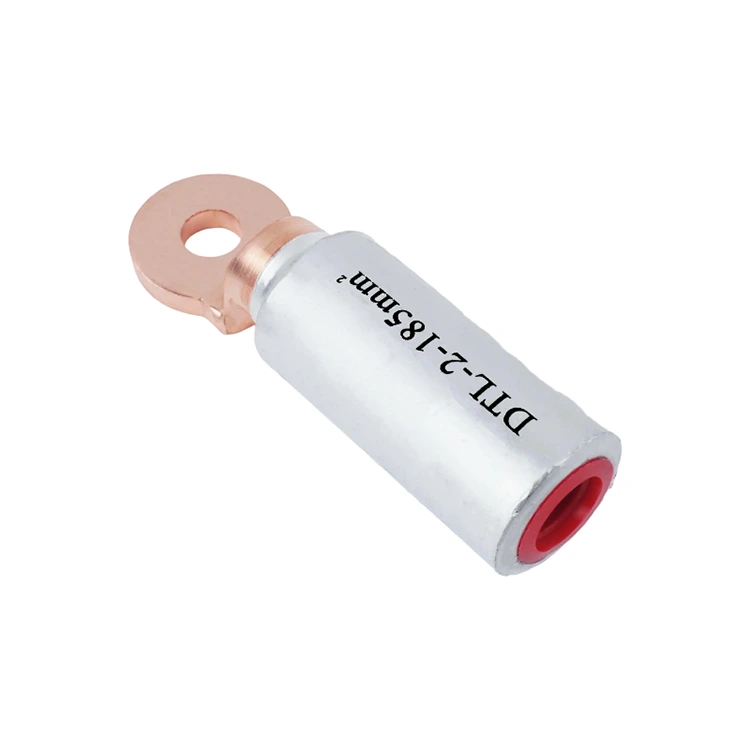
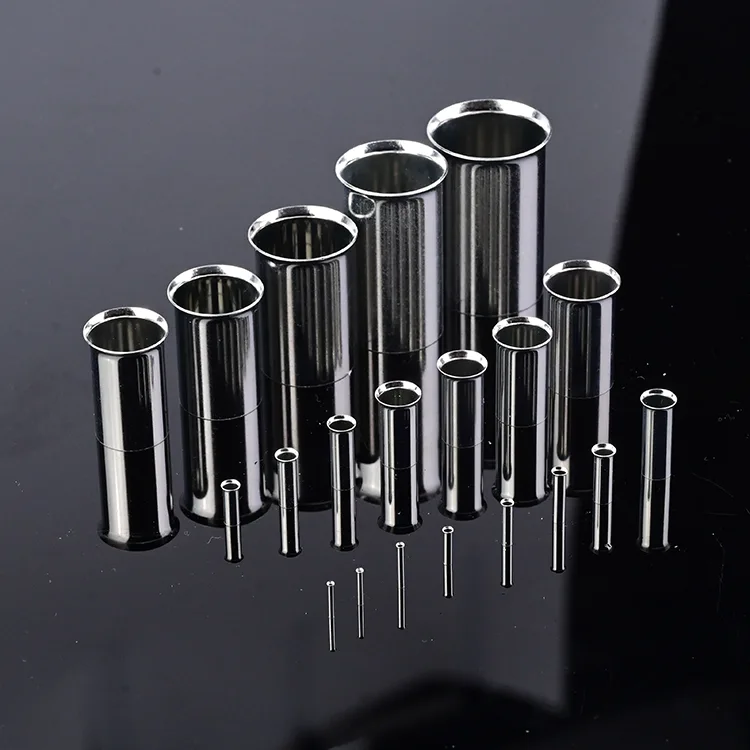
Plated Copper Aluminum Wiring Terminal
Buy high quality Plated Copper Aluminum Wiring Terminal from Zenko, a professional manufacturer in China. It is a premium tin-plated bimetallic connector designed for reliable copper-to-aluminum electrical connections in industrial and commercial wiring applications. The tin plating provides additional corrosion protection, making it suitable for harsh environments where moisture and oxidation are concerns.
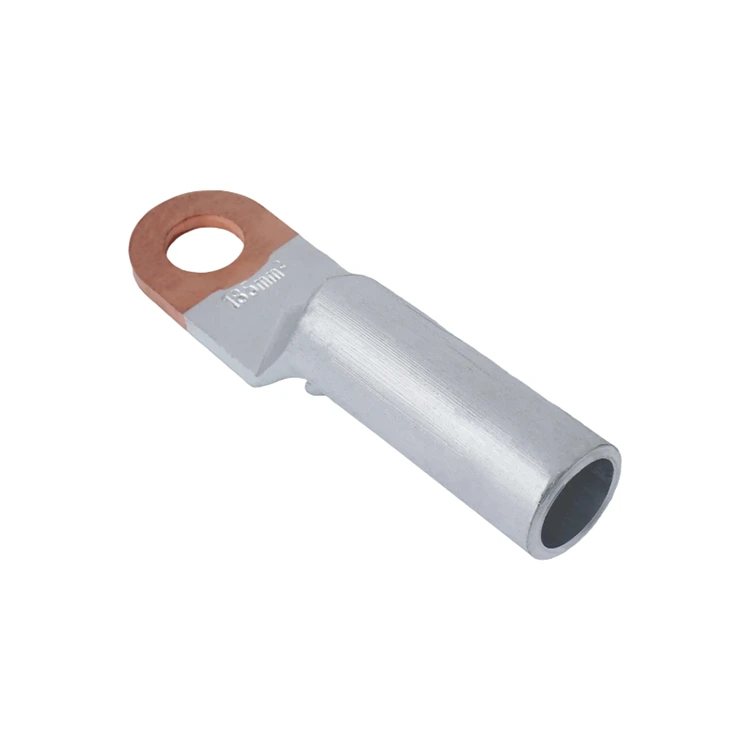
Copper Aluminum Transition Terminal
The Copper Aluminum Transition Terminal is a bimetallic connector featuring a permanent metallurgical bond between copper and aluminum. Manufactured by Zenko, a professional manufacturer in China, it creates a true atomic-level transition zone that eliminates galvanic corrosion. Suitable for any Cu-Al connection in electrical, industrial, and energy systems worldwide.
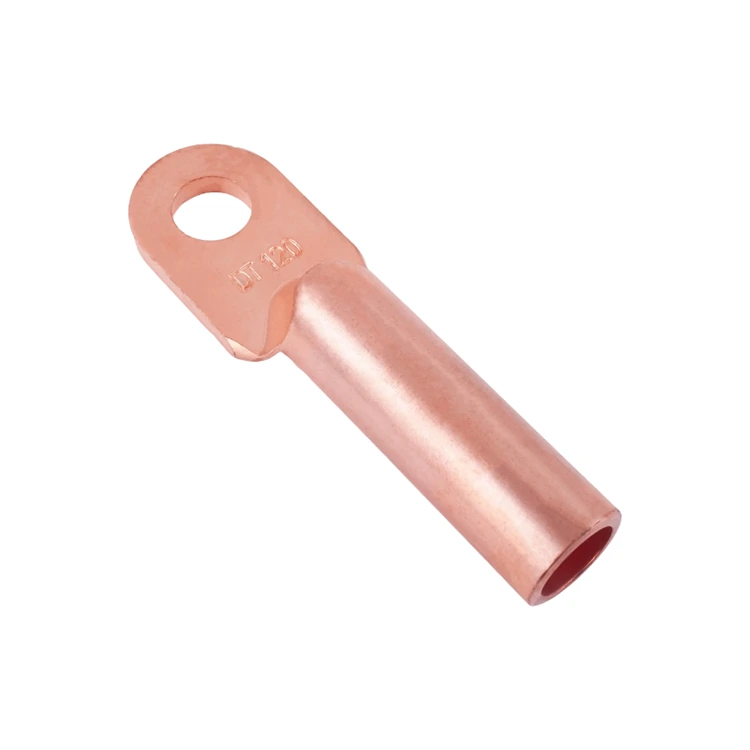
Copper Aluminum Terminal for Power Equipment
Zenko factory's Copper Aluminum Terminal for Power Equipment is a heavy-duty bimetallic connector for high-current power systems. Manufactured using explosion welding technology, it prevents galvanic corrosion in copper-to-aluminum connections. Rated up to 400A, suitable for switchgear, transformers, and power distribution equipment. Tin-plated for corrosion protection in demanding environments.
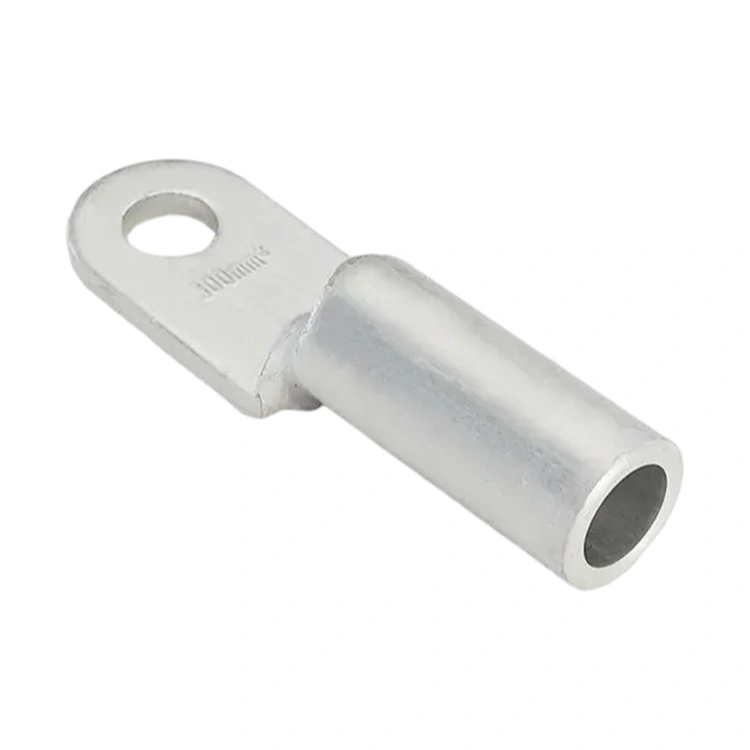
Copper Aluminum Terminal for Power Battery
The quality Copper Aluminum Terminal for Power Battery is a bimetallic connector designed for battery pack internal wiring and inter-module connections. Manufactured by Zenko using explosion welding, it prevents galvanic corrosion at Cu-Al junctions inside battery systems. Rated 1000V DC, tested for thermal runaway safety, suitable for LFP and NMC battery packs.
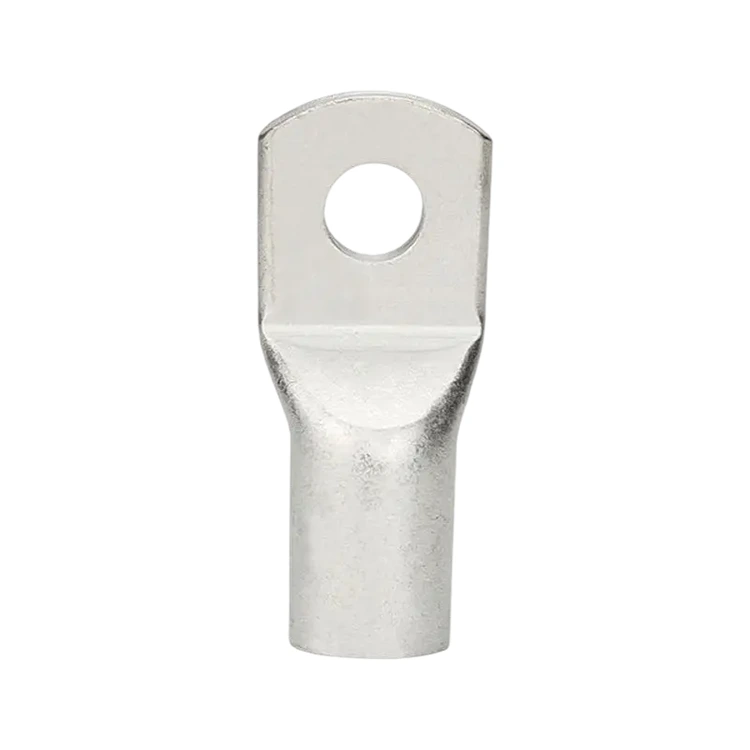
Copper Aluminum Terminal for New Energy
The high quality Copper Aluminum Terminal for New Energy, offered by leading China manufacturer Zenko, is a bimetallic connector designed for renewable energy systems. Manufactured by Zenko using explosion welding, it prevents galvanic corrosion in copper-to-aluminum connections for solar PV, energy storage, EV charging, and wind power applications. Rated 1000V, tin-plated for outdoor durability.
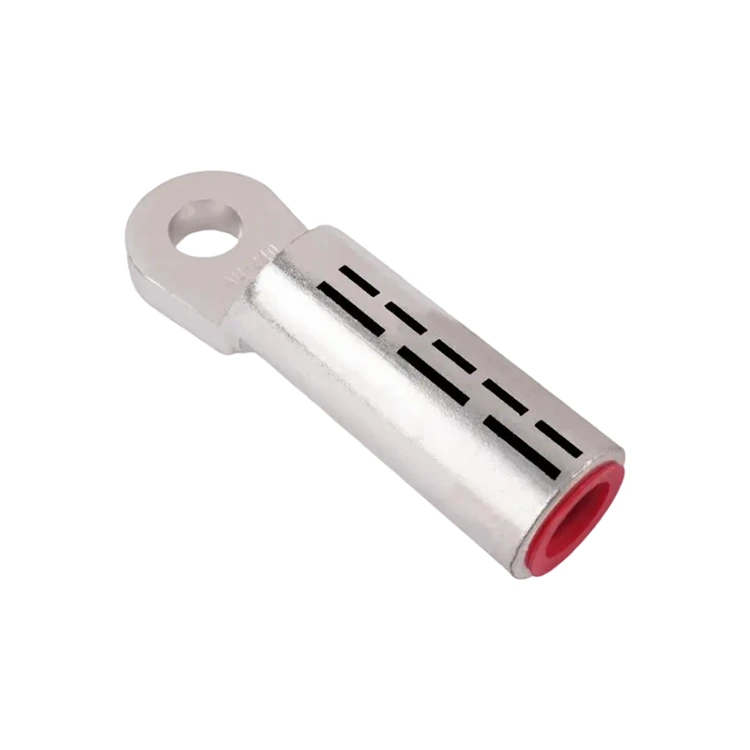
Copper Aluminum Terminal for Electrical Cabinet
The Copper Aluminum Terminal for Electrical Cabinet is a bimetallic connector designed for electrical cabinet and panel wiring. Manufactured by Zenko with explosion welding, it solves galvanic corrosion in copper-to-aluminum connections inside cabinets. Rated 1000V, suitable for control panels, distribution boards, and automation cabinets.
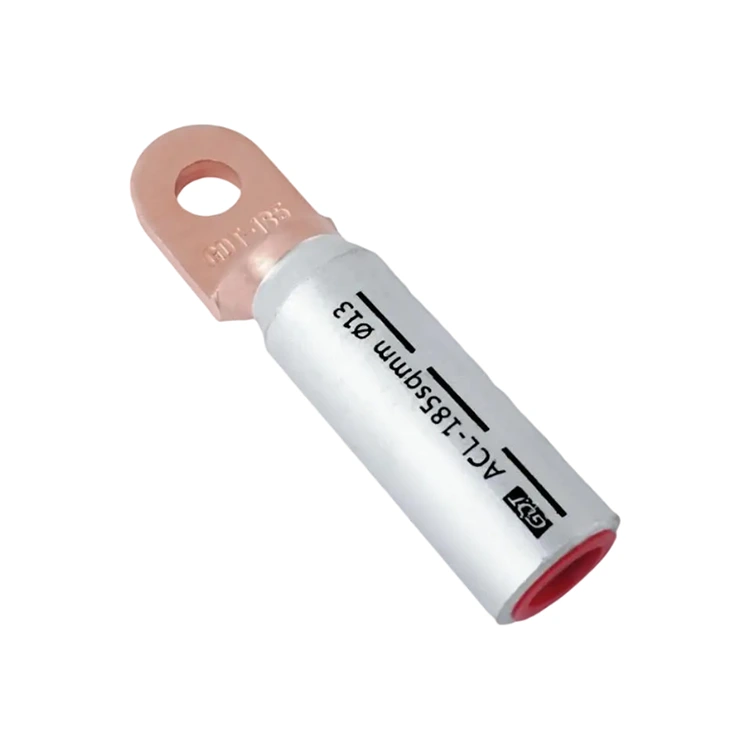
Copper Aluminum Terminal for Automotive Harness
As a professional manufacturer in China, Zenko would like to provide you customized Copper Aluminum Terminal for Automotive Harness, which is a specialized bimetallic connector engineered for connecting copper wires to aluminum wires in automotive electrical systems. Manufactured by advanced explosion welding technology, it effectively prevents galvanic corrosion and ensures reliable, long-lasting electrical connections in vehicle wiring harnesses.
China professional manufacturer and supplier of high quality Copper Aluminum Terminal. Zenko has its own factory, to provide customers comprehensive services. Look forward to you buy it!