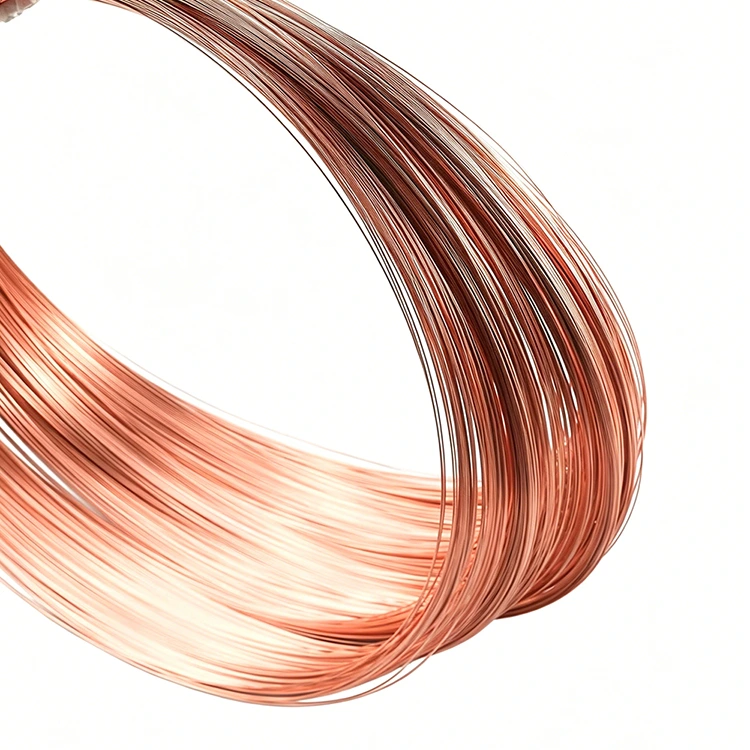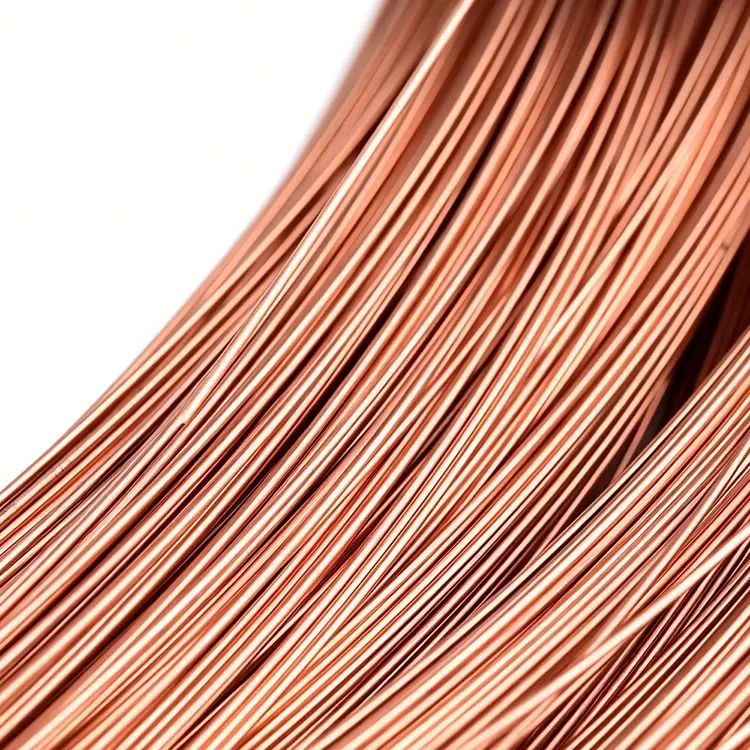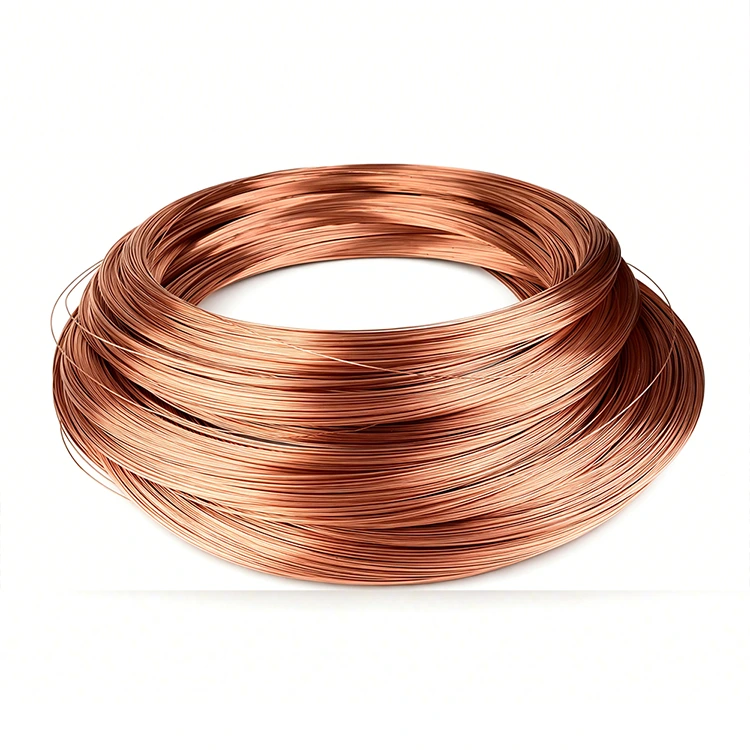

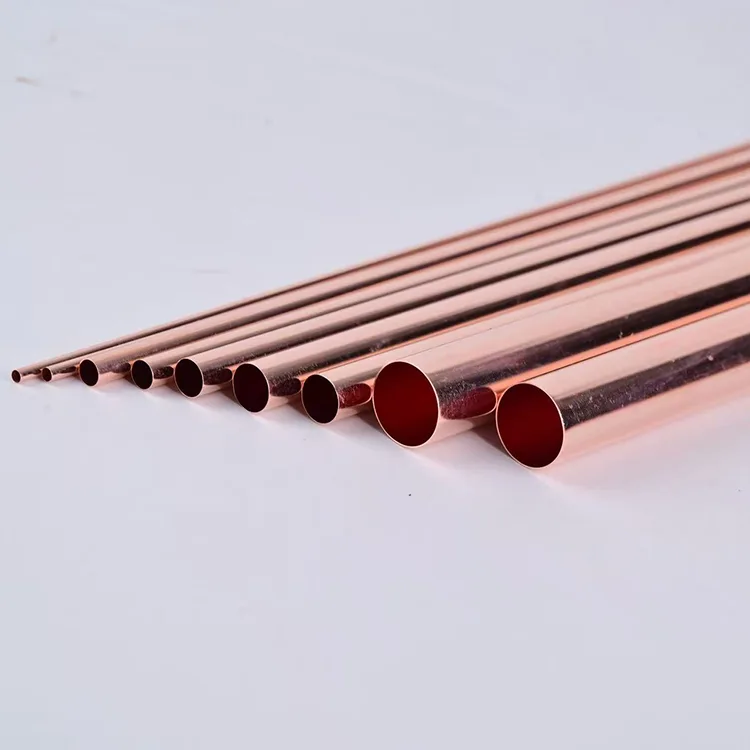
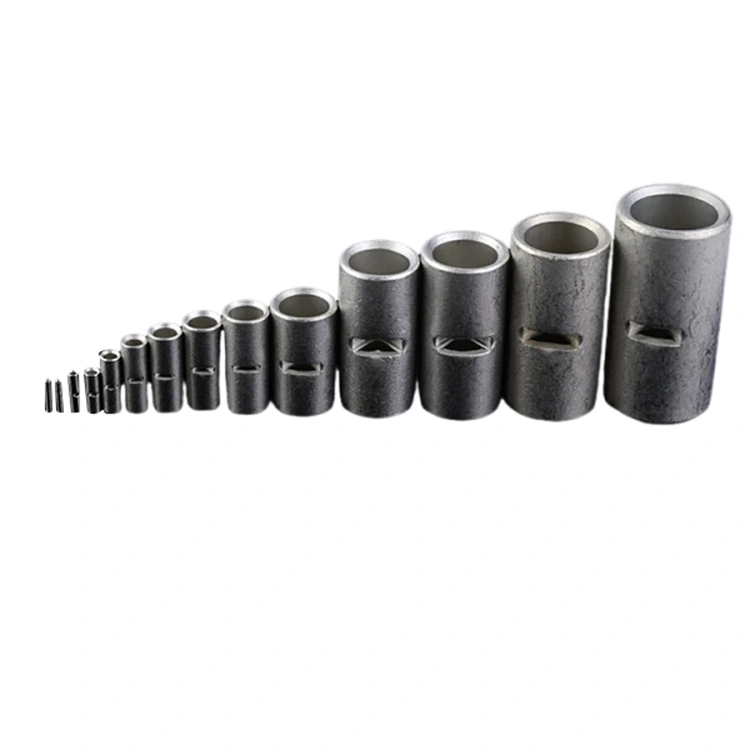
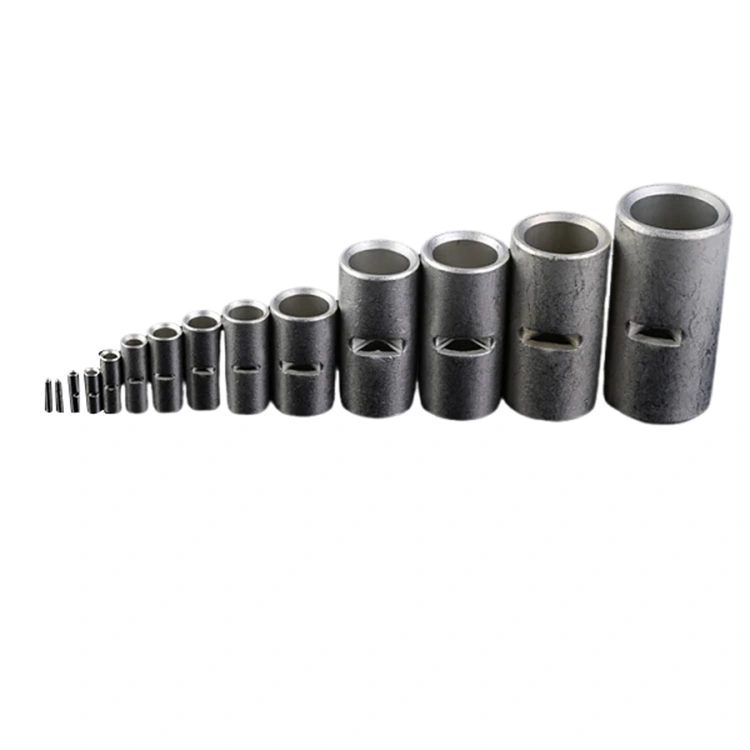
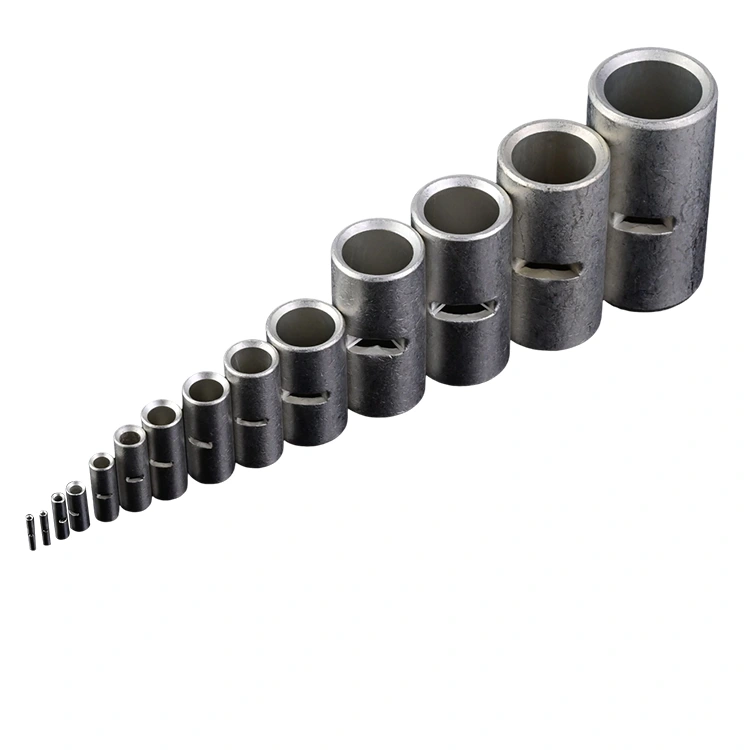
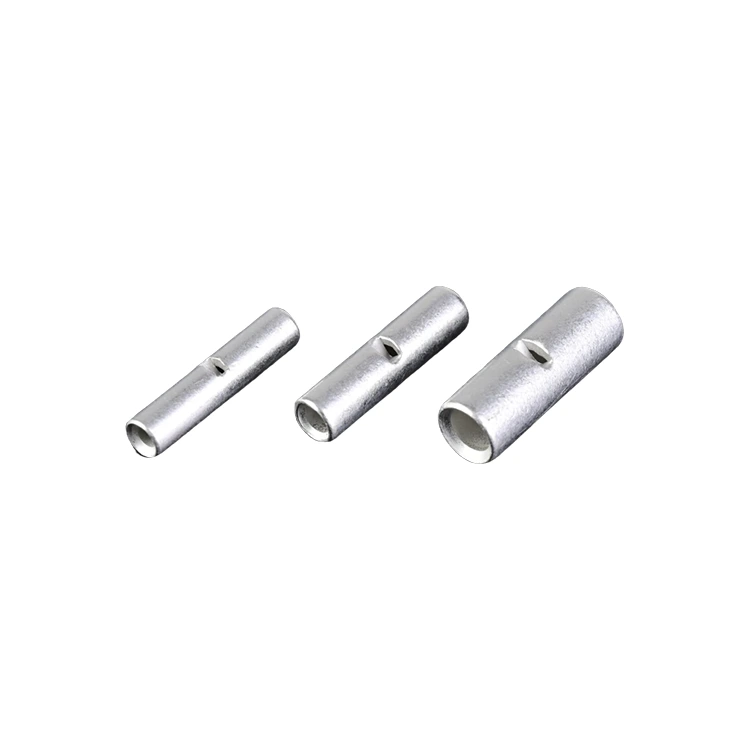
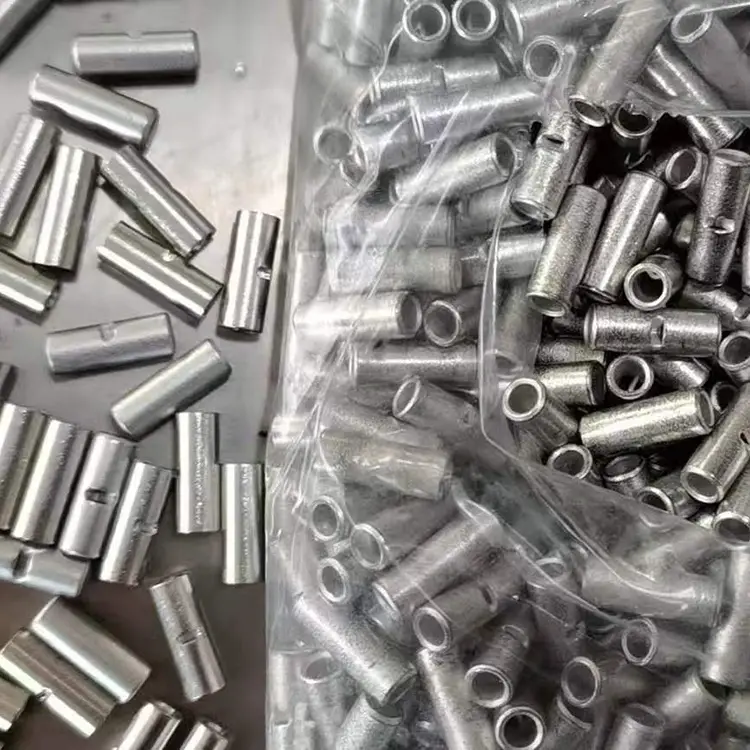
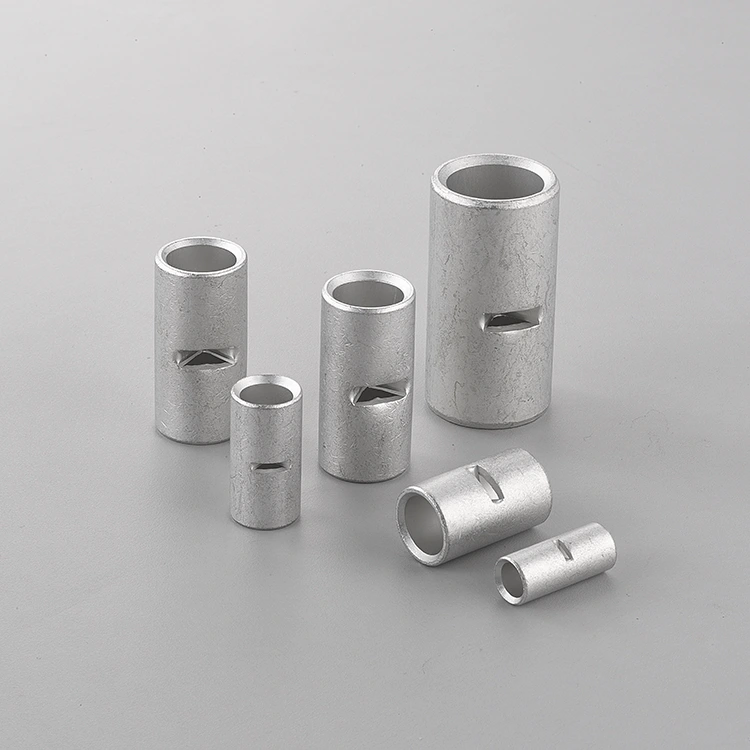
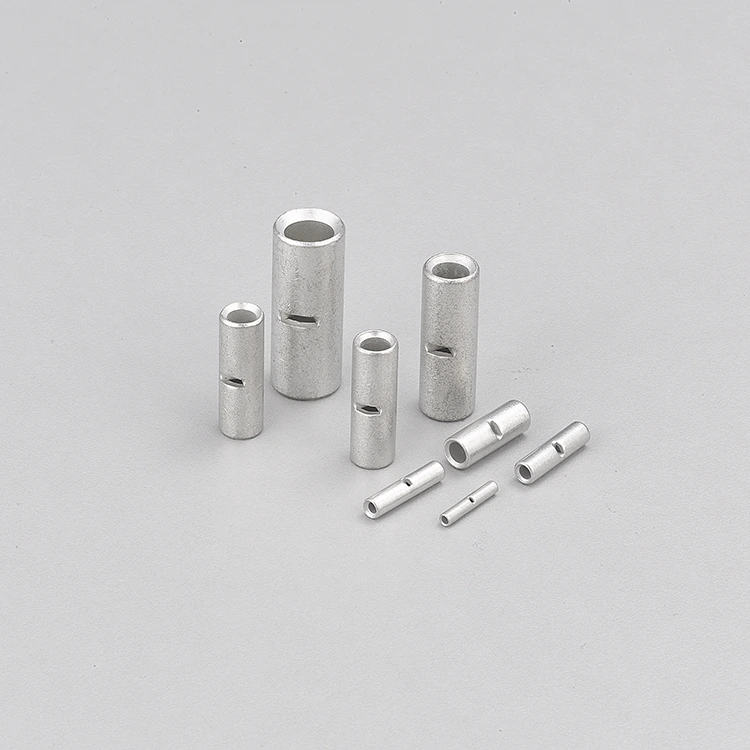
Tin Plated Copper Butt Splice
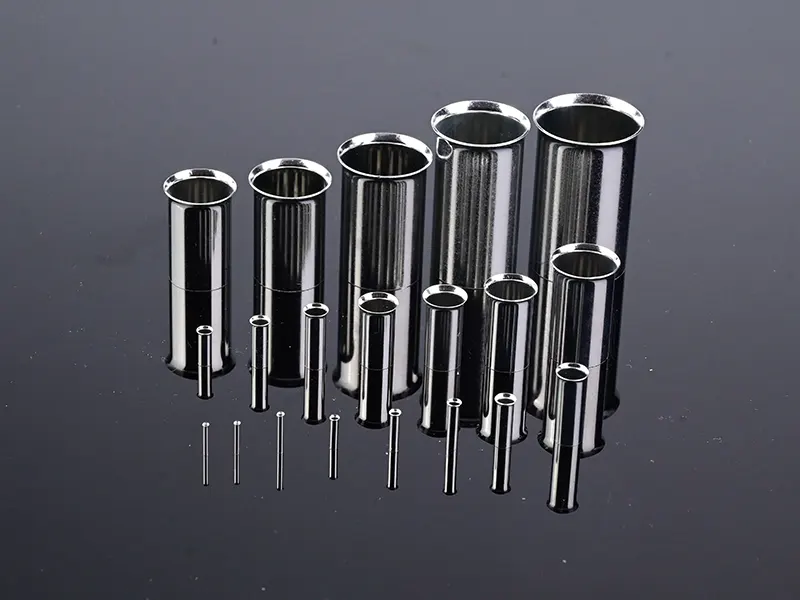
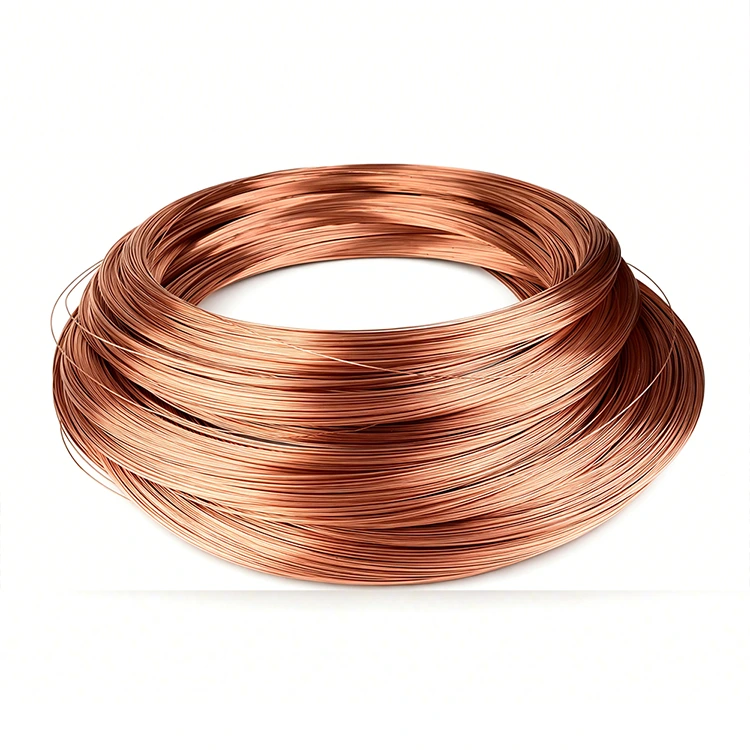
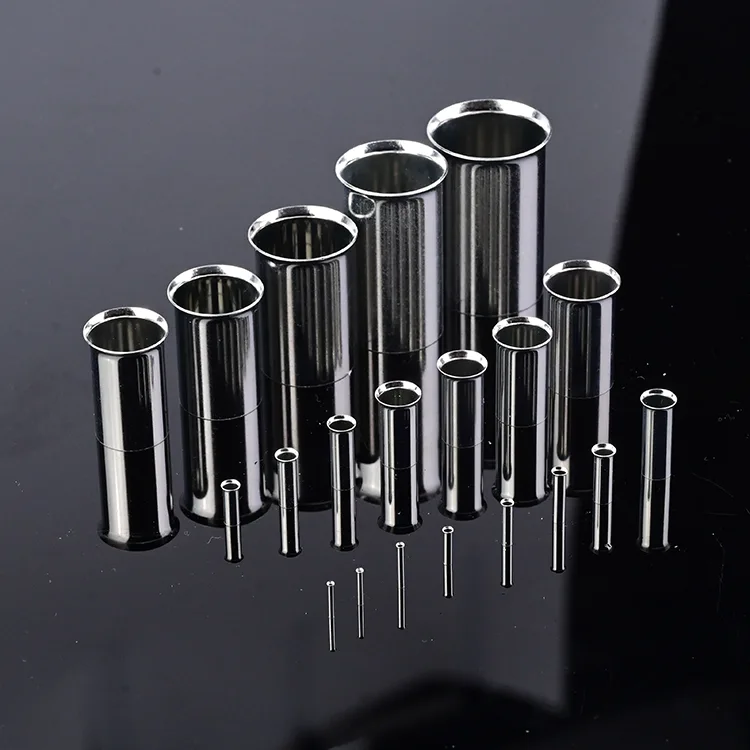
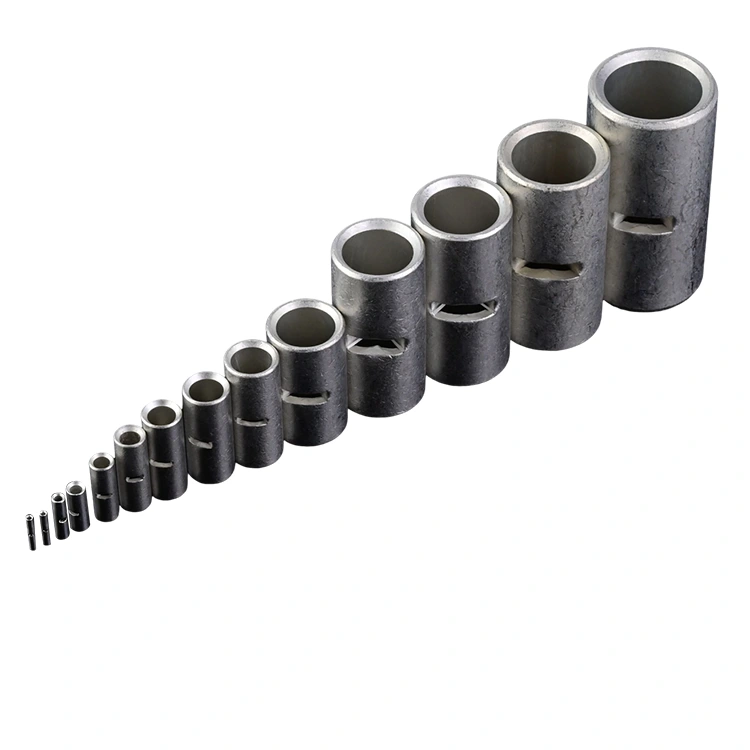
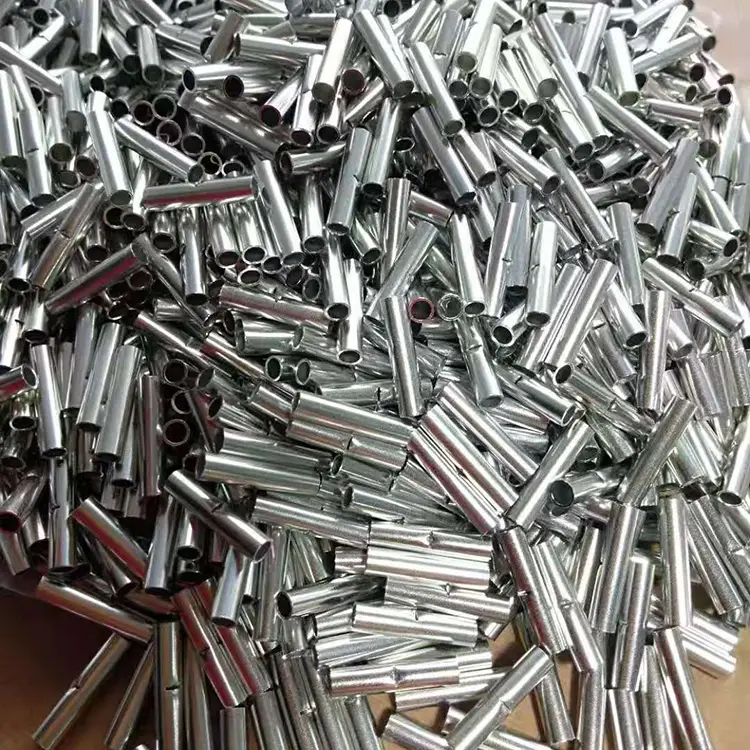
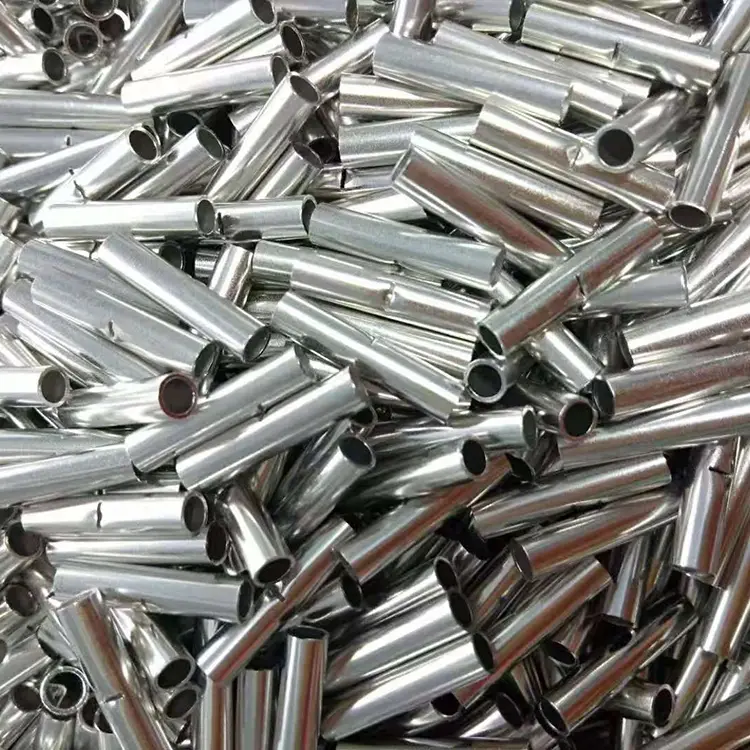
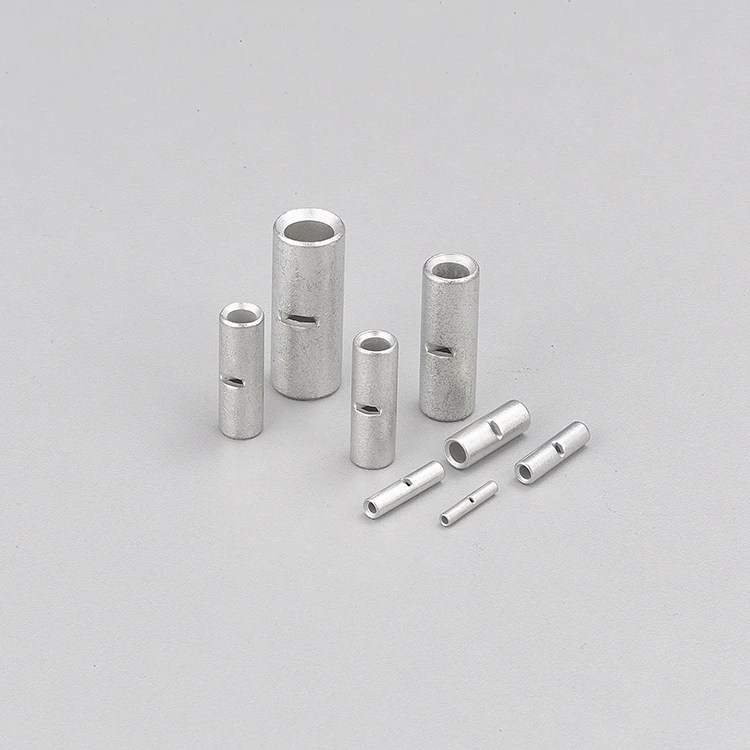
Zenko factory’s Tin Plated Copper Butt Splice is a double-chamfered crimp sleeve designed for reliable wire-to-wire connections in EV wiring, photovoltaic and energy storage systems, industrial control cabinets, VFD equipment, and other demanding electrical applications. The splice is manufactured from Oxygen-Free Copper (OFC) and finished with a minimum 2.5μm electro-tin plating. The copper base provides high electrical conductivity, while the tin-plated surface helps protect the conductor from oxidation and environmental exposure.
As a professional manufacturer from China, Zenko would like to provide you high-end Tin Plated Copper Butt Splice, which has double-chamfered ends. This double-chamfered ends are designed to facilitate conductor insertion and reduce interference with wire strands during assembly. The sleeve can be produced in different dimensions, hardness ranges, and plating thicknesses to match wire size and crimping requirements.
For production consistency, the manufacturing process incorporates vacuum annealing, ultrasonic cleaning, dimensional inspection, and CCD visual inspection, with specifications controlled according to the customer's application and product requirements.
Product Advantages
2.5μm Tin-Plated Surface
Provides a defined protective tin layer for the copper surface and supports resistance to oxidation under specified conditions.
OFC Copper Construction
Provides the conductive base required for electrical wire connections while allowing controlled mechanical deformation during crimping.
Double-Chamfered Design
Facilitates conductor insertion and helps reduce interference with wire strands during assembly.
Controlled Annealing
Helps establish consistent copper hardness for more predictable crimp deformation.
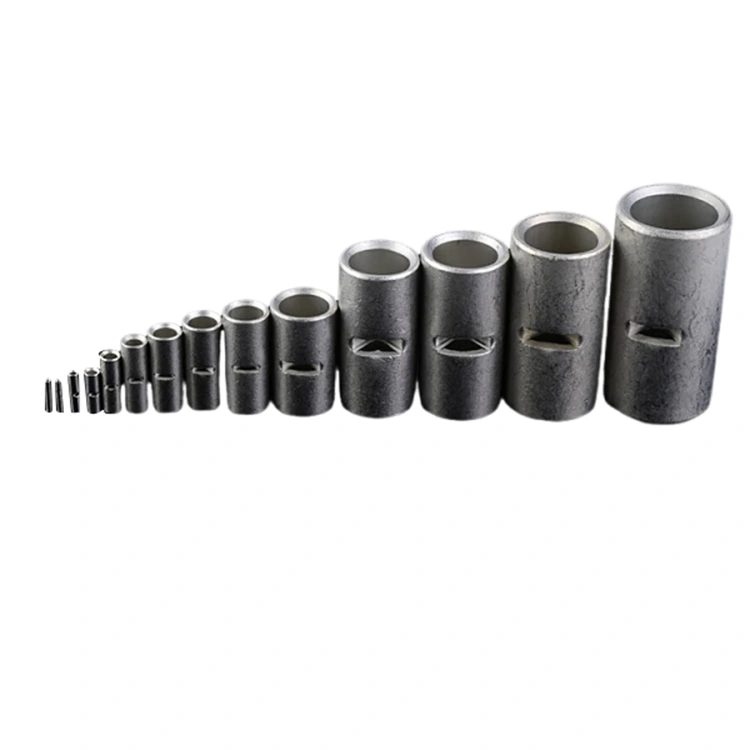
Technical Specifications
|
Parameter |
Specification |
|
Base Material |
Oxygen-Free Copper (OFC, Cu ≥ 99.95%) |
|
Surface Finish |
Electro-tin plated, thickness ≥ 2.5μm |
|
End Structure |
Double chamfered both ends, burr-free |
|
Hardness Range |
Vacuum annealed, Vickers hardness 70–85 HV (customizable) |
|
Cleaning Process |
Ultrasonic cleaning line (multi-tank, cleanliness superior to conventional methods) |
|
Inspection Method |
Go/No-Go fixtures + 100% CCD vision inspection |
|
Applicable Standards |
JIS C2806, UL486A (equivalent) |
|
Wire Range |
Customizable (AWG 26 through 4/0, or per customer requirement) |
|
Operating Temperature |
-40°C ~ +150°C (stable tin-plating range) |
Engineering Design
Double-Chamfered Ends
The chamfered openings provide a smoother entry path for conductors during insertion. This helps reduce contact between sharp sleeve edges and individual wire strands, particularly when the splice is used with fine-stranded conductors.
The geometry can also support faster manual or automated wire insertion and more consistent positioning before crimping.
Tin-Plated Copper Construction
The copper sleeve provides the conductive path between the joined conductors. The tin surface helps protect the copper from oxidation and moisture exposure while providing a suitable surface for electrical connection.
A minimum 2.5μm tin-plating thickness can be specified according to the required product configuration.
Controlled Sleeve Hardness
The mechanical properties of the copper sleeve influence how the barrel deforms during crimping. A controlled hardness range helps provide more predictable deformation under the specified crimping conditions.
For customized products, hardness can be adjusted according to wire construction, conductor size, and crimp tooling requirements
Application Scenarios
The Tin Plated Copper Butt Splice is suitable for wire and harness assembly applications where consistent crimping, electrical conductivity, and surface protection are required.
Electric Vehicles (EV)
Used for applicable wiring and harness assemblies, including inverter, motor controller, and on-board charger connections.
Photovoltaic & Energy Storage
Suitable for wiring applications in PV equipment, energy storage systems, inverter cabinets, and battery rack assemblies.
Industrial Control & VFD Systems
Designed for wire connections inside control cabinets, VFD equipment, industrial machinery, and electrical control systems.
Charging Infrastructure
Can be customized for cable and harness connections in charging equipment according to conductor size, current requirements, and crimping specifications.
How is the product manufactured?
Copper Forming
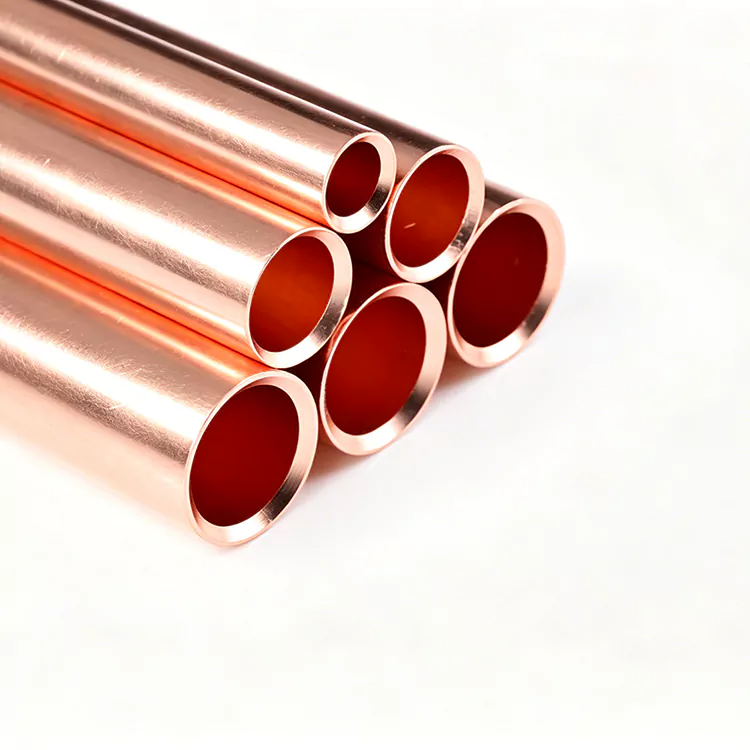
OFC copper material is formed into the required sleeve geometry according to the specified inner diameter, outer diameter, wall thickness, and length.
Precision Cutting & Chamfering
The sleeves are precision-cut to the required dimensions, followed by double-end chamfering to control the opening geometry and facilitate conductor insertion.
Vacuum Annealing
Cold working can alter the internal structure and hardness of copper. Vacuum annealing is used to relieve internal stress and establish the required material hardness before subsequent processing.
The annealing temperature and holding conditions can be controlled according to the target hardness range.
Ultrasonic Cleaning
After forming and machining, the sleeves undergo ultrasonic cleaning to remove processing residues such as oil and fine metal particles.
A multi-stage cleaning process can include:
Alkaline Cleaning → Water Rinsing → Surface Treatment → Hot-Air Drying
The cleaning process prepares the copper surface for subsequent plating and helps maintain consistent surface cleanliness.
Electro-Tin Plating
The cleaned copper sleeves are electro-tin plated to achieve the specified surface finish and plating thickness. The standard configuration provides a minimum 2.5μm tin layer, with thicker plating available for customized requirements.
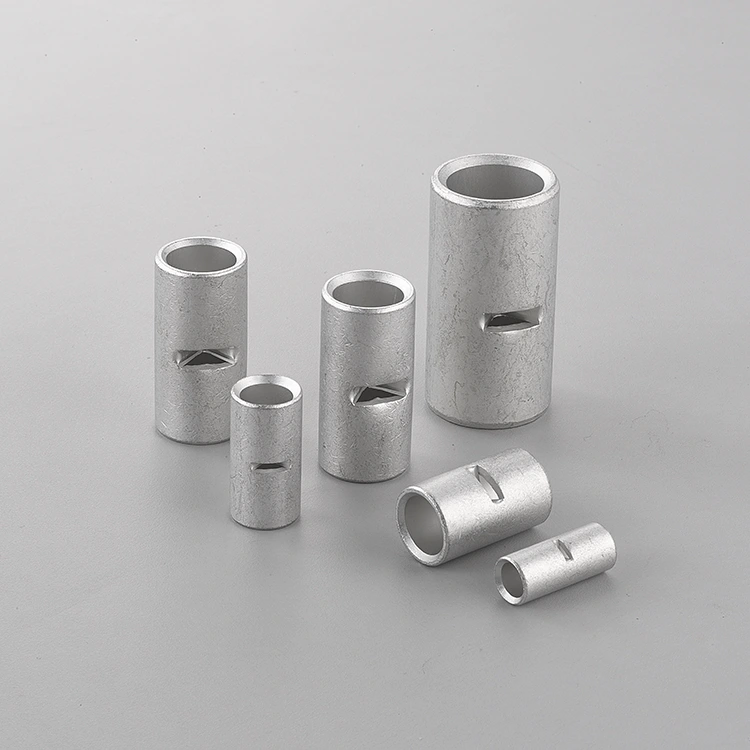
Quality Control & Inspection
Dimensional Inspection
Dedicated gauges and measurement equipment are used to verify critical dimensions, including:
· Inner diameter
· Outer diameter
· Overall length
· Wall thickness
· Chamfer dimensions
These measurements help ensure compatibility with specified wire sizes and crimping tools.
Hardness Verification
The hardness of annealed copper sleeves can be checked against the specified hardness range to maintain consistency between production batches.
Plating Inspection
Tin-plating thickness and surface condition can be inspected according to the applicable product specification.
Inspection items may include:
· Plating thickness
· Surface coverage
· Scratches
· Discoloration
· Peeling or visible surface defects
CCD Visual Inspection
CCD vision systems can be used to automatically inspect production parts for visual and dimensional defects, including:
· Chamfer asymmetry
· Burrs
· Surface scratches
· Deformation
· Foreign matter
· Visible plating defects
Mechanical & Electrical Testing
Where required by the product specification, finished splices can be evaluated for:
· Pull-out force
· Contact resistance
· Crimp performance
· Temperature-rise performance
FAQ
1. What is a Tin Plated Copper Butt Splice used for?
It is used to join two wires end-to-end through crimping, commonly for EV, inverter, energy storage, control cabinet, and industrial wiring applications.
2. Why is the copper splice tin plated?
Tin plating helps protect the copper surface from oxidation and moisture while providing a suitable conductive connection surface. The standard plating thickness is ≥2.5μm.
3. What is the benefit of the double-chamfered design?
The chamfered ends guide wires smoothly into the sleeve, helping reduce strand damage and improve crimping efficiency.
4. Why is vacuum annealing used?
Vacuum annealing helps control copper hardness and relieve internal stress, supporting more consistent deformation during crimping.
5. Can the product be customized?
Yes. Dimensions, hardness, tin-plating thickness, marking, and packaging can be customized according to wire size, tooling, and application requirements.
Hot Tags: Tin Plated Copper Butt Splice
Related Category
Send Inquiry
Contact Info
-
Address
No.2 Xiabao Road, Industrial Zone, Yueqing Bay Gangqu,Yueqing City,Zhejiang Province, China
-
Tel
-
E-mail
If you have any enquiry about quotation or cooperation, please feel free to email or use the following inquiry form. Our sales representative will contact you within 24 hours.